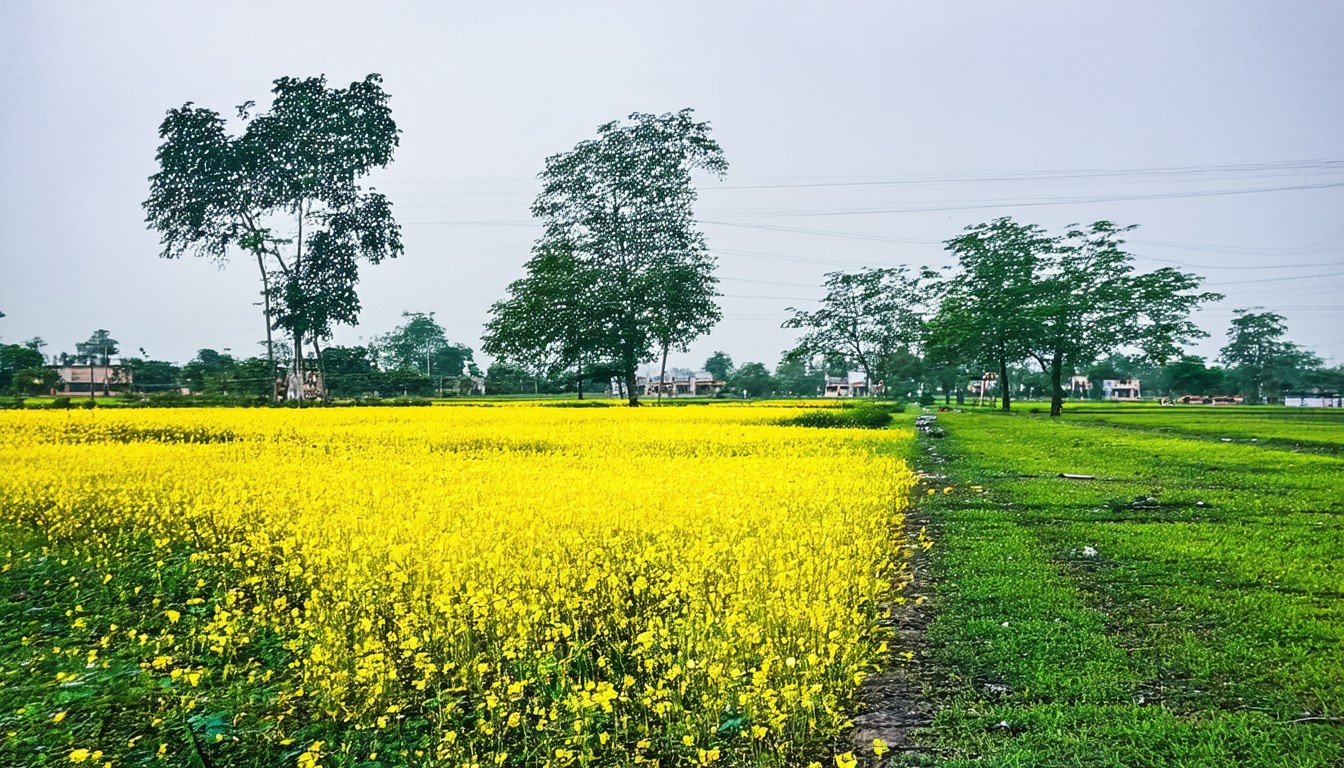

Nestled in the fertile landscape of Punjab, Bhandal Bet relies heavily on its weather patterns—not only for daily life but for agriculture, commerce, and community planning. As with many rural locations across North India, changes in temperature, rainfall, and extreme weather events have direct consequences for residents’ livelihoods. Keeping updated with local weather conditions and accurate forecasts is vital, especially in an era where extreme weather is increasingly common across the region.
Current Weather Conditions in Bhandal Bet
Temperature and Humidity Trends
On a typical summer day, Bhandal Bet experiences warm temperatures, often reaching into the higher 30s Celsius (mid- to high-90s Fahrenheit). Seasonal humidity fluctuates, with monsoon months seeing a marked increase, frequently making the air feel heavier and influencing both agriculture and comfort.
- Daytime temperatures: Peak in May and June before the monsoon sets in.
- Nighttime conditions: See a notable drop, offering some relief.
- Humidity spikes: Occur during July and August as the southwest monsoon arrives.
Persistent monitoring by regional meteorological centers has shown that heatwaves are becoming more frequent, a trend echoed throughout much of Punjab. According to the India Meteorological Department, the state has experienced more “hot days” in the past decade than in previous periods, an indicator that climate change impacts are tangible at the local level.
Rainfall and Precipitation
The arrival of the monsoon—typically late June or early July—ushers in the rainy season for Bhandal Bet. For local farmers, this rainfall is a crucial boon, replenishing groundwater and supporting the cultivation of rice and other water-intensive crops. However, excessive or unpredictable rains can also spell trouble, leading to issues like waterlogging or crop damage.
“Over the last several years, weather variability has made agriculture planning more challenging in regions like Bhandal Bet. Reliable, up-to-date forecasts are essential for both risk reduction and maximizing yields.”
— Dr. Meena Kapoor, Agricultural Meteorologist
Real-time Weather Data Availability
Access to real-time weather data is steadily improving, thanks to mobile connectivity and user-friendly apps. Although many rural residents still consult traditional cues, the adoption of digital weather updates is rising, bridging the information gap and enabling more proactive decision-making.
Interpreting Local Forecasts: What Residents Should Know
Daily and Weekly Forecast Updates
Reliable weather forecasting in Bhandal Bet synthesizes satellite data, ground measurements, and historical trends. Regional weather services now provide:
- Daily high/low temperature estimates
- Precipitation probabilities
- Wind speed and direction
- Advisories for extreme events
By following these updates, residents can better prepare for sudden downpours or unexpected temperature drops, both of which have significant implications for ongoing outdoor activities and farming routines.
Extreme Events: From Heatwaves to Heavy Rains
While the Punjab plains have always known the rhythm of hot summers and wet monsoons, there is an observable increase in erratic weather extremes. In the last decade, heavy unseasonal rainfall and short-term heatwaves have resulted in crop losses, delayed planting, and disrupted local economies.
In practical terms, this means local communities must:
- Remain vigilant during the summer for health advisories related to heat exposure.
- Monitor field drainage during the monsoon to prevent waterlogging.
- Stay updated on thunderstorm or wind alerts, which can damage property and crops.
Seasonal Weather Patterns and Cultural Calendar
Beyond daily needs, weather dictates many of Bhandal Bet’s cultural and religious events. Major festivals are often scheduled to avoid the harshest summer days or the peak of the monsoon, reflecting centuries-old local wisdom about when the weather will be most favorable for gatherings.
The Broader Impact: Weather’s Role in Agriculture and Economy
Agricultural Dependency on Weather Cycles
Bhandal Bet’s agrarian economy is inextricably tied to weather patterns. Traditional sowing and harvesting cycles for wheat, rice, and other crops depend on timely monsoon rains and a clear understanding of heat or cold spells.
- Sowing: Often begins with the onset of pre-monsoon showers.
- Harvest: Ideally wraps up before heavy post-monsoon rains threaten ripened fields.
- Decision-making: Increasingly relies on both tradition and real-time forecast data.
In recent years, cooperative societies and NGOs have promoted the use of mobile weather alerts to help farmers make informed decisions about irrigation, fertilization, and harvesting schedules—steps previously guided more by observation and less by scientific input.
Economic and Social Repercussions
Life in Bhandal Bet, as in many rural communities, is shaped by the predictability—or unpredictability—of the weather. Delayed rains can raise the cost of irrigation; excessive showers can damage infrastructure or cause school closures. Weather also determines the timing of market days and transportation schedules, impacting everything from commodity prices to the local economy’s seasonal pulse.
Preparing for Tomorrow: Embracing Forecasting Technology
Mobile Alerts and Digital Tools
The digital transition is well underway in Punjab’s rural pockets. Increasing penetration of smartphones and improved internet connectivity enable even small-scale farmers to receive weather alerts, advisories, and recommendations. These tools complement traditional forms of knowledge and reduce uncertainty, creating more resilient communities.
Climate Change Awareness and Adaptation
Experts highlight the need not just for more data but for increased awareness and adaptation strategies. Education about climate trends and seasonal planning is becoming more widespread, supported by government agencies, universities, and non-profit groups. Collaboration across sectors is essential to manage weather risks and ensure community well-being.
“As climate patterns shift, the future of rural agriculture will depend on our ability to interpret and act on weather data. For places like Bhandal Bet, blending traditional wisdom with scientific forecasting is the key to sustainable growth.”
— Prof. Karan Gill, Rural Development Studies
Conclusion: Staying Informed for a Resilient Bhandal Bet
Adapting to changing weather conditions is not optional for residents of Bhandal Bet—it is essential for protecting crops, livelihoods, and public health. Timely access to accurate local forecasts, paired with community-level awareness and digital tools, builds resilience against emerging climate challenges. By prioritizing weather literacy and embracing new technologies, Bhandal Bet can continue to thrive even as conditions evolve.
FAQs
What is the typical climate in Bhandal Bet?
Bhandal Bet experiences hot summers, a distinct monsoon season from June to September, and mild winters, reflecting broader patterns seen across Punjab.
How can residents access real-time weather updates?
Local residents can use meteorological websites, mobile weather apps, or government SMS alert services to receive up-to-date forecasts and warnings for Bhandal Bet.
Why is accurate weather forecasting important for agriculture in this region?
Timely and precise forecasts allow farmers to plan planting, irrigation, and harvest schedules, reducing the risk of weather-related crop losses and optimizing resource use.
What are the main weather-related risks during the monsoon?
During the monsoon, risks include heavy rain causing waterlogging, potential flooding, and disruption of transportation and local services.
Are digital weather tools commonly used in rural Punjab?
Adoption is increasing, especially among younger farmers and local cooperatives, opening up access to timely advice that can protect crops and improve farm yields.
How does climate change affect weather patterns in Bhandal Bet?
Climate change is contributing to more frequent heatwaves and unpredictable rainfall, making traditional agricultural planning more challenging and increasing the importance of reliable weather data.