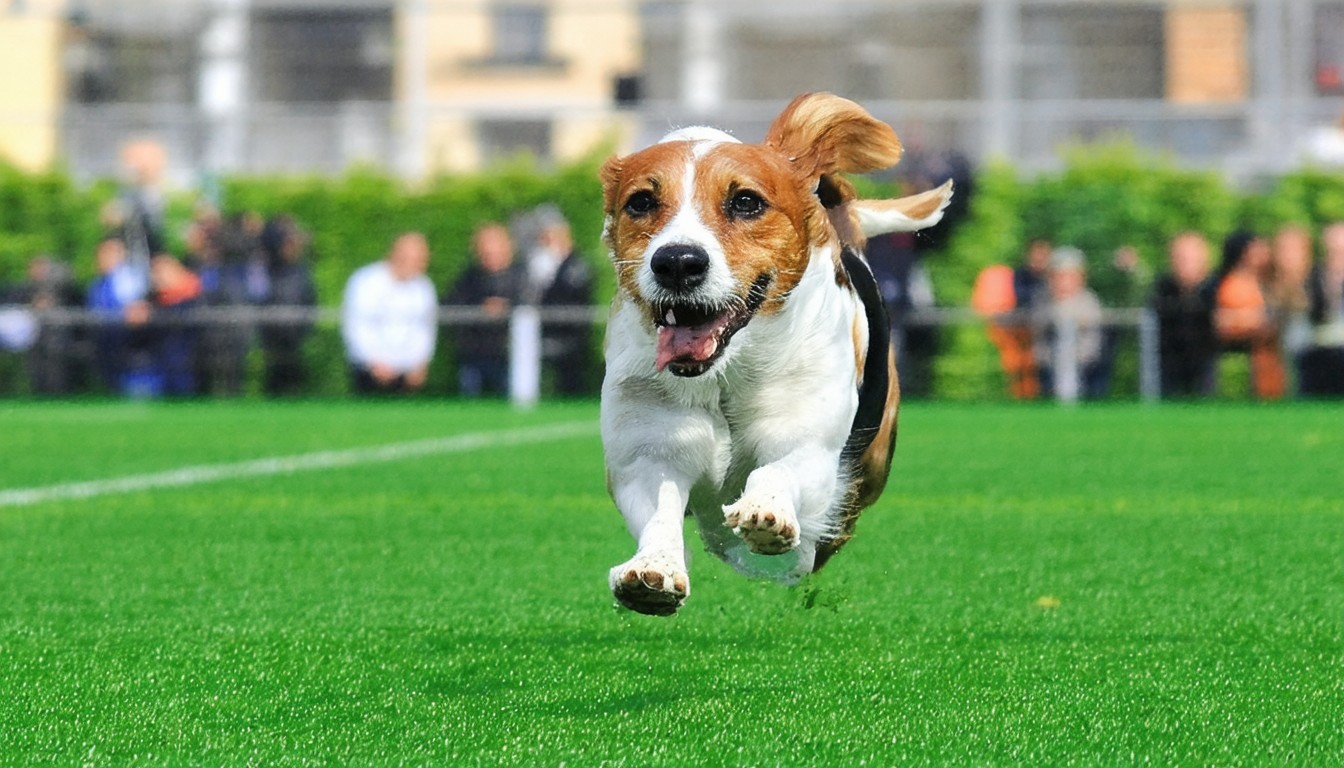

Dog betting, particularly on greyhound racing, remains a dynamic niche within the wider sports wagering landscape. While its roots stretch back over a century, the rise of regulated online platforms and evolving consumer behavior have transformed how and why bettors engage with this age-old pastime. Today, successful dog bettors blend tradition with data-driven strategies, keen research, and a sharp understanding of market dynamics.
Beyond entertainment, dog bets have significant cultural and economic impacts. Major competitions across the UK, Ireland, Australia, and select US states draw both passionate followers and casual punters, feeding a multimillion-dollar market annually. With such high stakes, understanding key concepts—from types of wagers to risk management—is essential for anyone seeking long-term success.
Types of Dog Bets: Breaking Down the Basics
Diving into dog betting starts with grasping the variety of bets available. Each carries different risk, reward, and complexity profiles:
1. Win, Place, and Show
The simplest dog bets center on predicting finishing positions:
– Win: Your chosen dog must finish first.
– Place: The dog must finish in the top two.
– Show: A top-three finish is required for payout.
These straightforward bets are favored by beginners seeking lower volatility and easier tracking.
2. Exotic Bets: Exacta, Trifecta, and More
More advanced bettors often pursue “exotic” bets:
– Exacta: Select the first and second-place finishers in order.
– Trifecta: Predict the top three finishers in exact order.
– Superfecta: Call the first four finishers, in order.
While payouts can be substantially higher, these bets require deeper analysis and carry increased risk. Strategic use of “boxing” (covering combinations) or “wheeling” (anchoring one dog while cycling others) offers more flexibility but also escalates stake size.
3. Accumulators and Parlays
Akin to multi-sport betting parlays, accumulators blend dog racing with other events or multiple races. To win, each leg must be successful, compounding both potential rewards and risk.
Key Factors for Successful Dog Betting
Consistent returns in dog betting rely on a methodology that extends far beyond luck. Professionals routinely emphasize a blend of form analysis, understanding track conditions, and bankroll discipline.
Study the Form Guide
Data is abundant in modern racing. Bettors who embrace granular research—examining past performances, split times, racing grades, and box draws—tend to outperform casual punters. Success hinges on pattern recognition: Is a dog showing recent improvement? Has it performed well over today’s distance? Has it triumphed at this particular track?
Track Conditions and Draw Bias
Not all tracks play alike. Surface type, weather, and the “draw” (the racing box each dog starts from) all influence performance. For instance, some greyhounds excel when drawn wide, while others suffer. Noting historical outcomes related to track layout and draw can reveal valuable betting edges.
“Serious dog bettors know that understanding the interplay between track conditions and draw bias can be the difference between a good and a great wager,” notes racing analyst Ella Langford.
Trainer and Kennel Insights
Dogs, like athletes, are products of their upbringing and handlers. Identifying trainers with high win ratios, successful strike rates in certain race types, or standout kennel records can inform smarter bets. News about injuries, rest patterns, or kennel changes is often a reliable predictor of changing form.
Value Hunting and Market Timing
Winning over the long term rarely means picking favorites every race. Instead, skilled bettors hunt “value”—spots where their assessed odds differ from what’s priced by bookmakers. This requires contrarian thinking and swift action, as market prices fluctuate rapidly, especially close to post-time.
Effective Dog Betting Strategies
Beyond the basics, disciplined bettors employ a combination of rigorous study and consistent execution. Several central strategies have stood the test of time.
1. Specialization
Rather than betting every race, many seasoned punters focus on specific circuit tiers, dog classes, or distance specialties. Through specialization, nuanced knowledge and sharper odds become possible.
2. Staking Plans and Bankroll Management
No system can eliminate risk, but proper bankroll management separates recreational bettors from professionals. Common approaches include:
– Fixed Stakes: Wager the same amount regardless of perceived edge.
– Proportional Staking (Kelly Criterion): Adjust wager size relative to perceived value.
– Stop-Loss Discipline: Set limits to avoid emotional, chase-driven losses.
3. Technology and Data Tools
Modern dog betting has surged with the adoption of analytics- and odds-tracking platforms. Many bettors now deploy software to model race simulations, compare bookmaker prices, or monitor smart money trends. When used judiciously, these tools can surface hidden opportunities—but technology cannot compensate for lack of discipline or understanding.
4. Emotional Discipline
Markets trend erratically. Streaks, both good and bad, are inevitable. Winning bettors resist the urge to tilt or chase, instead sticking to their frameworks. Discipline and detachment, much like in financial trading, are pivotal qualities.
Risks and Responsible Betting Practices
It’s easy to be swept up in the thrill of race-day action. Yet dog betting, like all forms of wagering, involves real financial risk. Recognized industry bodies and major platforms have invested in consumer education, encouraging responsible play.
Set Realistic Expectations
Even highly skilled bettors lose more than they win on individual wagers. The focus should be on long-term results, not single-race outcomes.
Use Tools to Limit Risk
Most respected operators now offer deposit limits, cooling-off periods, and betting history access so punters can easily track their activity.
Be Vigilant About Regulation
Stick with licensed, regulated betting providers. Proper oversight not only ensures fair markets but also offers protections if disputes arise.
Conclusion: Winning at Dog Betting is a Marathon, Not a Sprint
Those with enduring success in dog betting combine data analysis, psychological discipline, and deep knowledge of the greyhound racing industry. It’s a space as much about minimizing losses as maximizing wins, demanding a thoughtful and strategic approach. Ultimately, embracing both the excitement and responsibility of dog betting makes for a richer experience—and lays the foundation for lasting success.
FAQs
What types of dog bets are most popular with beginners?
Beginners typically gravitate towards win, place, and show bets. These options are simpler to understand and involve less risk compared to exotic wagers like trifectas or superfectas.
How do track conditions impact dog racing outcomes?
Track surface, recent weather, and even the specific lane draws can all affect a greyhound’s speed and likelihood of winning. Savvy bettors pay close attention to these factors in order to refine their selections.
What is a “value bet” in dog betting?
A value bet means the odds offered by the bookmaker are better than the actual chances of that outcome occurring according to your own assessment. This is central to long-term betting success.
Is it possible to make a profit with dog betting over time?
Consistent profitability is challenging but possible for disciplined and knowledgeable bettors. It usually requires careful study, proper staking strategy, and emotional control.
How can bettors manage their bankroll effectively?
Effective bankroll management involves setting limits, using staking plans that fit your risk tolerance, and never chasing losses. Responsible betting tools offered by licensed platforms can further help keep play within safe bounds.
Are there any tools or technology that can help with dog betting?
Yes, many bettors use form analysis databases, odds comparison sites, and even race simulation tools. These resources can provide an edge, but nothing replaces solid research and sound judgment.