
Bet Dwarka Hanuman Mandir, perched on the serene island of Bet Dwarka off India’s Gujarat coast, is a compelling fusion of spiritual antiquity and vibrant local culture. Revered by Hindu devotees and history enthusiasts alike, the temple doesn’t just draw crowds for worship; it has evolved as a significant pilgrimage site that narrates centuries-old legends and living traditions. Nestled where the Arabian Sea kisses ancient sands, the Hanuman Mandir provides a crucial link to Lord Hanuman’s mythological exploits and the larger cultural mosaic of Dwarka, often called the “Kingdom of Krishna.”
Historical Significance of Bet Dwarka Hanuman Mandir
Mythology, Legends, and Origins
Tracing the roots of Bet Dwarka Hanuman Mandir unveils stories interwoven with India’s epic narratives. Local legends suggest that the island of Bet Dwarka is where Lord Krishna resided and, notably, where Hanuman visited to meet his beloved lord. The temple, often known as Hanuman Dandi, is especially famed for depicting Hanuman with his son Makaradhwaja—one of the rare visual representations of this duo.
Scholars argue that the temple’s origins might date back several centuries, though exact timelines remain shrouded in oral traditions and piecemeal archaeological findings. At its core, the temple’s lore underscores the connection between devotion, loyalty, and the passing down of sacred stories across generations.
“The Bet Dwarka Hanuman Mandir encapsulates a convergence of myth and devotion, where history is retold not merely through stone but through the enduring faith of its visitors,” says Dr. Sunita Parmar, historian specializing in western Indian temples.
Cultural Relevance
Beyond its mythic status, the temple forms part of the broader Dwarka pilgrimage circuit, attracting both Indian and international visitors. The annual Hanuman Jayanti celebration, marked by colorful festivities and mass prayers, illustrates its sustained cultural resonance and the local community’s dedication to preserving tradition.
Location and Accessibility
Getting to Bet Dwarka
Located around 30 kilometers north of Dwarka town in Gujarat’s Devbhoomi Dwarka district, Bet Dwarka is accessible primarily by boat, adding a sense of adventure to the spiritual journey. The island itself is just a few kilometers off the Okha coast—a bustling ferry port that connects the mainland to the temple.
- Approach: Most visitors arrive via Okha, which is reachable by road from Dwarka. Regular ferries shuttle pilgrims and tourists to Bet Dwarka; the boat ride typically takes 15-30 minutes.
- Nearest Railway Station: Okha Railway Station, situated about 5 kilometers from the jetty.
- Nearest Airport: Jamnagar Airport, roughly 140 kilometers from Dwarka.
Local Transportation and On-Island Experience
Upon arrival, small vehicles and walking pathways guide visitors from the jetty to the Hanuman Mandir. The scenic walk, often animated by local vendors and fellow pilgrims, sets a contemplative tone, merging the tranquility of island life with anticipation for the spiritual visit.
Timings, Rituals, and Visitor Experience
Temple Timings
The Bet Dwarka Hanuman Mandir maintains specific opening hours, offering visitors enough flexibility to plan their journeys:
- Morning: Typically opens around 6:00 AM
- Evening: Closes by 7:00 PM
- Special Days: Extended hours and additional rituals occur during Hanuman Jayanti and other Hindu festivals
Ritual Practices and Highlights
Daily prayer rituals (aarti), offering of sweets, and chants in Hanuman’s praise underscore the temple’s devotional rhythm. Many devotees bring offerings such as coconut and ladoos, symbolizing their prayers for strength and protection.
During major festivals and auspicious dates in the Hindu calendar, the temple comes alive with processions, musical recitations, and spiritual discourses. Participating in these rituals often provides travelers an authentic glimpse into the devotional culture that sustains the temple.
Architecture and Unique Features
A Distinct Identity
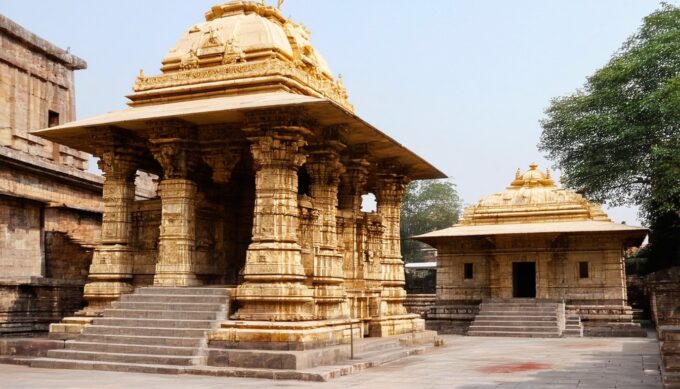
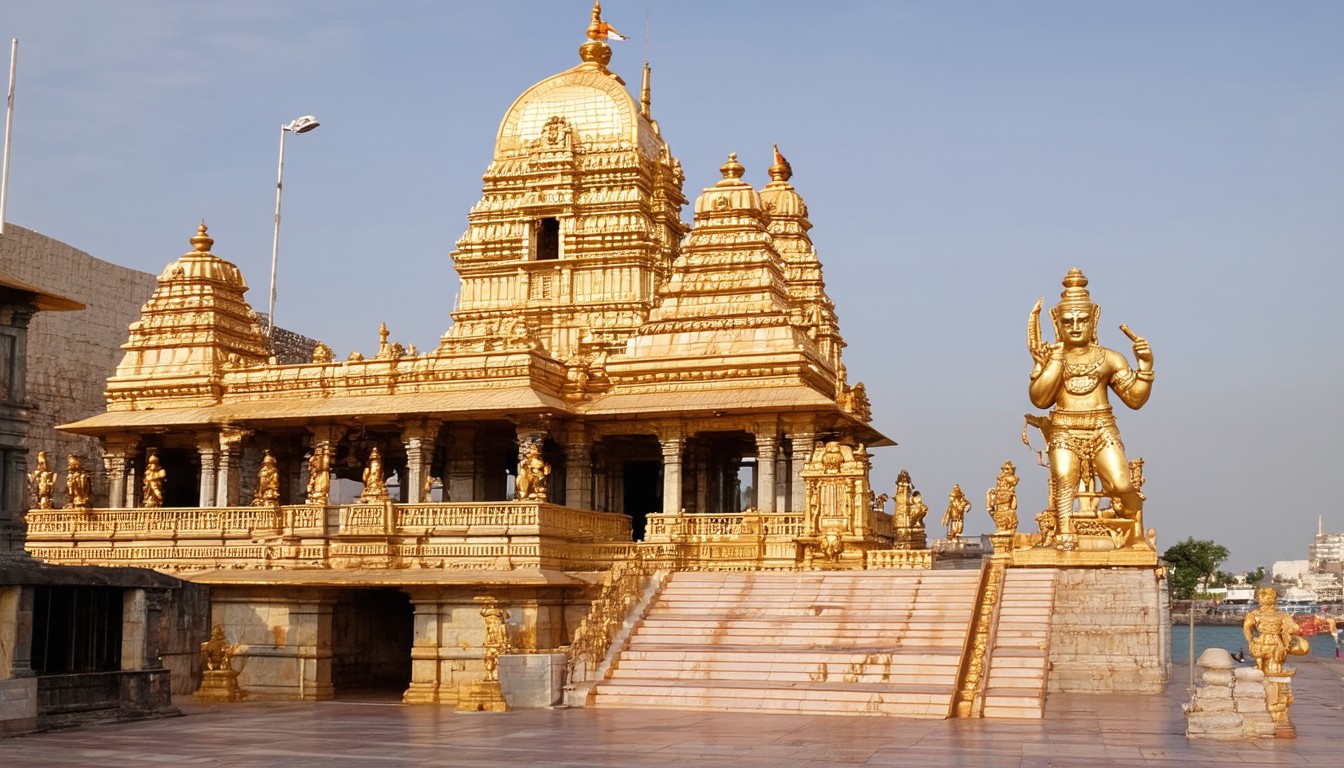
Unlike the towering gopurams and intricate carvings of South Indian temples, Bet Dwarka Hanuman Mandir is marked by modest yet evocative architecture. What it lacks in grandeur, it makes up for with vibrant murals and a garbhagriha (sanctum) that radiates spiritual serenity.
Notable Elements
- Makaradhwaja Idol: The depiction of Hanuman’s son, Makaradhwaja, stands out as a rare and unique feature.
- Symbolic Decor: The temple premise includes brightly colored reliefs illustrating key episodes from Hanuman’s life.
- Open Courtyard: The simple design encourages congregational worship, enabling large groups to participate in rituals comfortably.
Essential Travel Guide
Best Time to Visit
While Bet Dwarka welcomes visitors throughout the year, the cooler months between October and March are most favored for travel. These months ensure pleasant boat rides and make walking around the island more comfortable.
Tips for Pilgrims and Tourists
- Dress modestly: Respect local customs and opt for traditional or comfortable attire.
- Boating safety: Follow all safety guidelines on ferries and be mindful of weather conditions, especially during the monsoon season.
- Photography: While the exteriors may be photographed, always ask before clicking pictures inside the sanctum.
- Stay Hydrated: Carry water and light snacks, as on-island facilities are limited compared to the mainland.
Nearby Attractions
Many travelers combine their temple visit with a trip to other notable sites:
- Dwarkadhish Temple: The grand temple dedicated to Lord Krishna in Dwarka town.
- Rukmini Mandir: Honoring Lord Krishna’s consort; revered for its ornate architecture.
- Nageshwar Jyotirlinga Temple: One of the 12 revered Jyotirlingas of Lord Shiva, located a short drive from Dwarka.
Sustainable Tourism and Pilgrimage
The increasing influx of visitors to Bet Dwarka prompts ongoing discussions about preserving the island’s ecological and cultural integrity. Initiatives by local authorities and NGOs now emphasize clean tourism practices: proper waste management, conservation of marine life, and respect for the community’s heritage.
Several grassroots efforts also involve training local youths as guides, enabling them to narrate the temple’s history and ensure an intimate, informed pilgrimage experience for visitors.
Conclusion: A Living Bridge Between Past and Present
Bet Dwarka Hanuman Mandir remains more than a sacred site; it is an enduring testament to the power of faith, history, and community. Its stories—echoed in temple chants and passed on in family lore—provide both solace and inspiration to countless visitors each year. As Gujarat’s coastline continues to transform amid changing tides of tourism and local life, the Hanuman Mandir stands firm, offering a haven of spiritual reflection, cultural learning, and reverence for tradition.
FAQs
What is the significance of Bet Dwarka Hanuman Mandir?
The temple is believed to be the spot where Hanuman met his son Makaradhwaja and is a beacon of faith among devotees, forming a crucial link in the Dwarka pilgrimage circuit.
How can I reach Bet Dwarka Hanuman Mandir from Dwarka town?
Travelers typically take a road trip to Okha and then board a regular ferry for a short ride to the Bet Dwarka island, from where the Hanuman Mandir is a short walk away.
Are there any entry fees or dress codes?
Entry to the temple is free, but modest, respectful attire is expected. This helps maintain the sanctity of the religious site.
What are the temple’s opening hours?
The Bet Dwarka Hanuman Mandir usually opens around 6:00 AM and closes by 7:00 PM, with slight variations on festival days.
Can the temple be visited during the monsoon season?
While the temple remains open, rough seas during monsoon may disrupt ferry services. It’s best to check local advisories before planning a visit during this period.
What else can I explore near Bet Dwarka Hanuman Mandir?
Nearby attractions include the Dwarkadhish Temple, Rukmini Mandir, and the revered Nageshwar Jyotirlinga, offering a comprehensive spiritual and cultural itinerary for visitors.