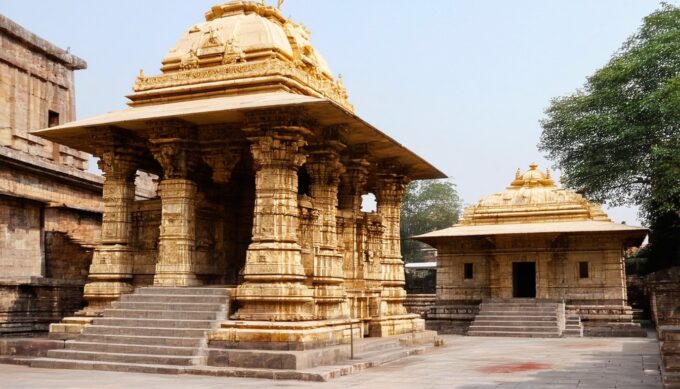

The Bet Dwarka Bridge is more than an infrastructure milestone; it’s a symbol of India’s evolving approach to heritage, tourism, and regional development. Located off the coast of Gujarat, Bet Dwarka is sacred to millions and attracts pilgrims year-round. Historically, visitors relied on ferry services to cross the shallow waters separating the mainland from the island. As the anticipated opening date of the Bet Dwarka Bridge approaches, public attention surges—not just from devotees but also from businesses, policymakers, and travel enthusiasts eager to understand how this engineering feat will alter the region’s landscape.
The Vision Behind the Bet Dwarka Bridge Project
Strategic Importance for Saurashtra
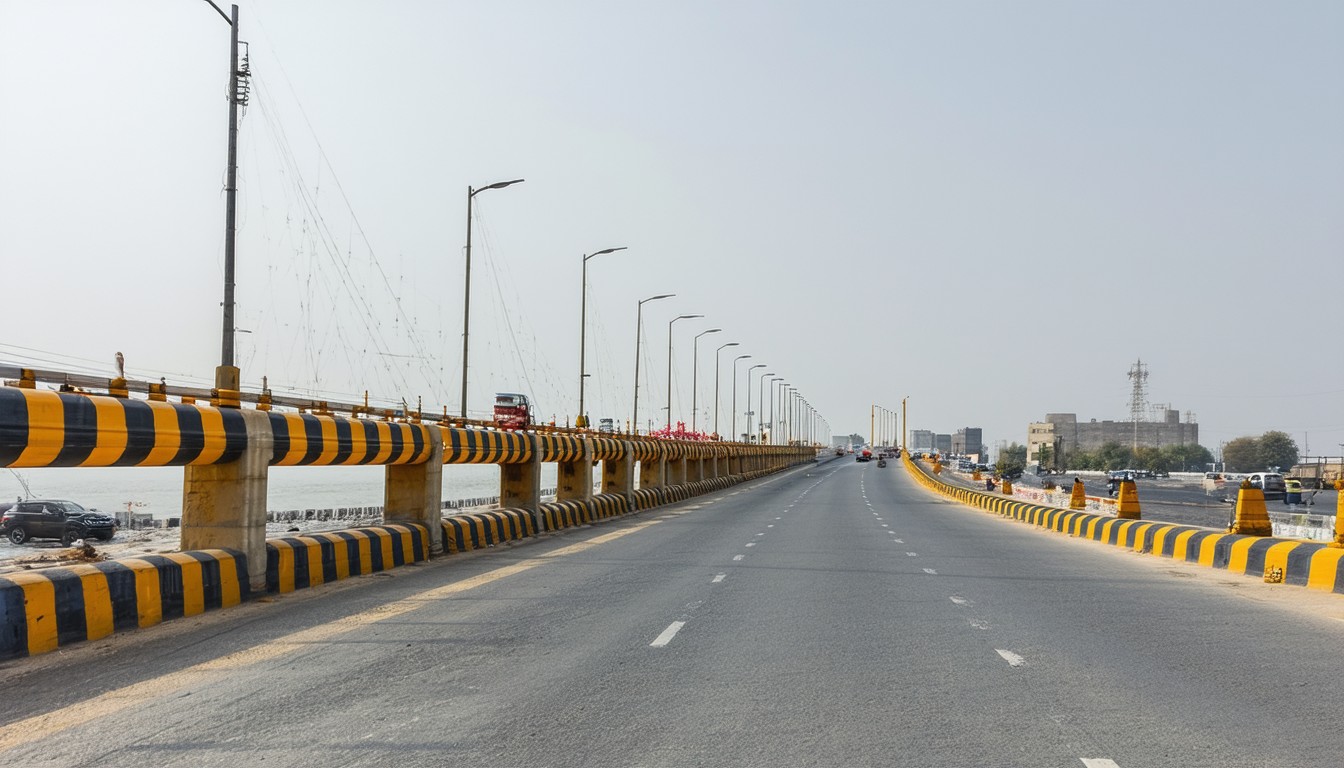
The Bet Dwarka Bridge, officially known as the “Signature Bridge,” spans roughly 2.32 kilometers across the Gulf of Kutch. Once operational, it will directly connect Okha on the mainland to the island, drastically reducing travel time for pilgrims, residents, and tourists. This connectivity is crucial not only for facilitating visits to the Dwarkadhish Temple, a core Hindu pilgrimage site, but also for integrating local economies in Devbhoomi Dwarka district with larger urban and logistical centers.
Government Initiatives and Funding
Initiated under the Ministry of Road Transport and Highways of India, the Bet Dwarka Bridge project has been championed as a part of the country’s broader push to modernize critical infrastructure. Funding has drawn from both central and state government allocations, demonstrating a shared commitment to the bridge’s completion. The project aligns with India’s “Bharatmala Pariyojana”—a flagship program focused on improving road connectivity across the nation.
According to project officials, the bridge was envisioned to support not just vehicular traffic but also pedestrians and cyclists, indicating its inclusive design framework.
“The Bet Dwarka Bridge is poised to revolutionize religious tourism and local economies. Its impact will be felt far beyond the district, enhancing livelihoods and accessibility,” says Dr. Krupa Shukla, senior transport policy analyst, Ahmedabad.
Timeline and Bet Dwarka Bridge Opening Date
Construction Challenges and Progress
Construction began in earnest in 2017, with an ambitious original schedule targeting completion within three years. However, like many large-scale projects, the bridge faced its share of hurdles:
- Delays due to the COVID-19 pandemic, which affected labor and material supply chains
- Engineering difficulties stemming from the area’s unique marine and tidal conditions
- Environmental clearances needed for working within ecologically sensitive zones
Despite these issues, progress accelerated after 2021. By early 2024, the bridge structure was reportedly nearing completion, with final touches on surfacing, lighting, and safety systems underway.
Current Status: When Will Bet Dwarka Bridge Open?
As of mid-2024, official sources and local news outlets suggest the inauguration is expected imminently, subject to the final inspection and government schedule. The projected Bet Dwarka Bridge opening date falls in the latter half of 2024. The Gujarat government and local authorities have indicated plans for a prominent inauguration ceremony, reflecting the bridge’s significance for the region.
Anticipated Impact on Pilgrimage and Local Life
Currently, ferry commutes can be unpredictable and dependent on tides, sometimes causing delays for temple visitors and residents. Once the bridge is open, travel time is expected to drop dramatically—from approximately 45 minutes to a mere 7–10 minutes by road. Local businesses, religious tour operators, and community members anticipate a surge in activity and convenience.
Socio-Economic Benefits and Regional Transformation
Boosting Tourism and Hospitality
Dwarka is one of the four sacred Char Dham pilgrimage sites for Hindus. Improved accessibility via the Bet Dwarka Bridge is projected to drive significant growth in annual tourist arrivals, benefitting hotels, restaurants, guides, and retail businesses.
A comparable example can be seen in the impact of the Narmada Bridge near Bharuch, where easier access increased footfall to religious and natural attractions, driving double-digit growth in local hospitality sectors. Bet Dwarka’s tourist infrastructure is poised for similar expansion post-bridge.
Local Commerce and Logistics
Beyond tourism, the bridge is set to make supply chains more reliable, supporting local fishing communities and suppliers of temple offerings. Enhanced connectivity to major highways will help integrate Bet Dwarka’s markets with western Gujarat and other parts of the country.
Urban planners also note potential for ancillary development:
- New retail and small business opportunities
- Increased real estate demand along the route
- Improved emergency response times for medical and civic services
Environmental Considerations
Balancing development and conservation has been a core challenge throughout the project. Bet Dwarka and the surrounding marine areas are ecologically sensitive, home to migratory birds and marine fauna. The implementation of noise barriers, waste management protocols, and responsible construction practices aims to mitigate ecological impact.
Voices from the Community
Many local leaders, temple management representatives, and ordinary residents have shared cautious optimism about the bridge. On one hand, easier access promises economic and cultural revitalization; on the other, it brings concerns about overcrowding and environmental degradation.
“Pilgrims have waited generations for all-weather access,” says Ramesh Dholakia, a member of Dwarka’s temple trust. “This bridge can be a blessing, provided we act responsibly to preserve our island’s character and traditions.”
Learning from Infrastructure Success Stories
Looking at successful examples elsewhere in India, such as the Bandra-Worli Sea Link in Mumbai or the Bogibeel Bridge in Assam, certain trends emerge:
- Increased traffic volumes spark expansions in ancillary services and boost local employment.
- Better connectivity improves quality of life, especially in remote and previously hard-to-reach locations.
- Long-term maintenance and sustainable management are essential to avoid bottlenecks and preserve local environments.
These frameworks are informing policy and community engagement efforts around Bet Dwarka Bridge as well.
Conclusion: Bet Dwarka Bridge’s Future Outlook
The Bet Dwarka Bridge stands at the intersection of tradition and progress. Its imminent opening marks a pivotal moment for Gujarat’s cultural heritage, community prosperity, and infrastructure narrative. In the coming months, regional stakeholders—ranging from administrators and entrepreneurs to pilgrims and conservationists—will focus on maximizing the benefits while managing growth responsibly.
To ensure sustained positive impact, transparency in project operations, environmental safeguards, and adaptive management must remain at the forefront as Bet Dwarka welcomes a new era of connectivity.
FAQs
What is the expected opening date of the Bet Dwarka Bridge?
The Bet Dwarka Bridge is anticipated to open in the latter half of 2024, following final inspections and an official inauguration. Updates from local authorities should be monitored for the confirmed date.
Why is the Bet Dwarka Bridge important for pilgrims and tourists?
By connecting Okha to the sacred island directly, the bridge drastically reduces travel time and removes reliance on tides or ferry services. This convenience is expected to boost religious tourism and local economic activity.
Will the bridge accommodate both vehicles and pedestrians?
Yes, the bridge’s design includes lanes for vehicles as well as provisions for pedestrians and cyclists, ensuring accessibility for all types of visitors.
How will the bridge impact the environment?
Measures like noise barriers and regulated construction practices have been implemented to minimize ecological impact. Ongoing efforts are required to balance increased human activity with conservation needs.
What are the economic benefits expected from the bridge’s completion?
The bridge is set to facilitate increased tourism, more reliable supply chains for local commerce, and potential real estate and job growth, benefitting the entire Devbhoomi Dwarka region.
Are there any potential drawbacks discussed?
Local stakeholders have highlighted concerns around environmental stress, potential overcrowding, and the need to maintain the cultural integrity of Bet Dwarka. Addressing these will be crucial to the project’s long-term success.