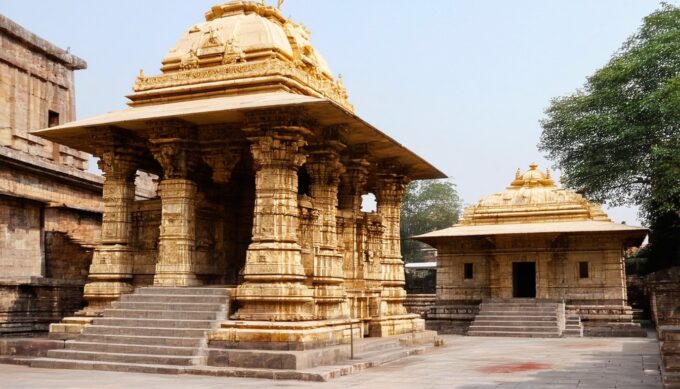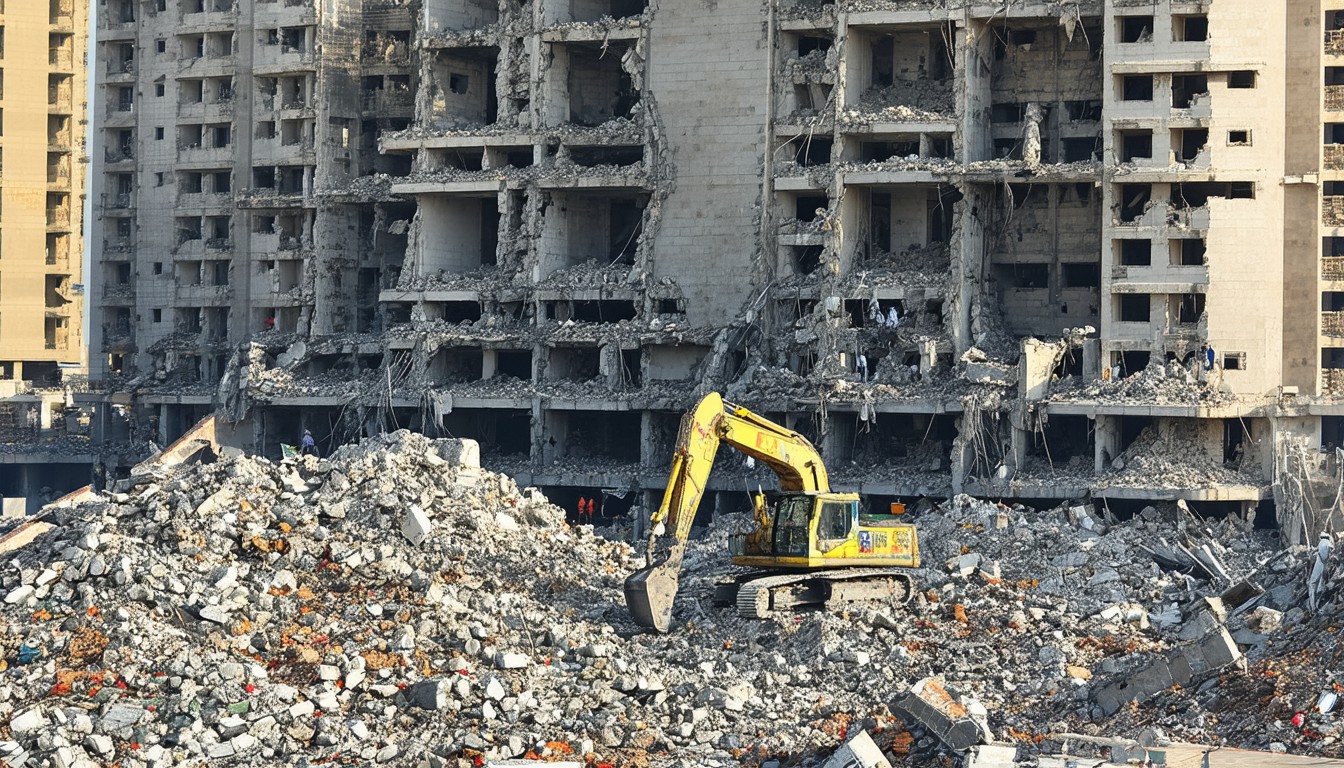

Nestled off the coast of Gujarat, Bet Dwarka is both a place of deep spiritual resonance and a focal point of recent controversy. This small island, revered in Hindu mythology as the legendary dwelling of Lord Krishna, has become the center of attention due to a government-backed demolition drive. As authorities step up efforts to remove alleged illegal encroachments, a complex tapestry of religious sentiment, legal directives, environmental considerations, and community tensions unfolds. Understanding these developments requires nuanced insight into their origins, the latest updates, and their multi-layered impacts.
Background to the Bet Dwarka Demolition Drive
The push to clear illegal structures from Bet Dwarka gathered momentum in late 2023, following concerns raised by local authorities and religious organizations. According to administrative statements, the campaign’s stated purpose has been twofold: to enforce land use laws and to preserve the island’s cultural and ecological heritage.
Historical Significance and Societal Stakes
Centuries-old shrines, dharamshalas (rest houses for pilgrims), and diverse local communities have coexisted on Bet Dwarka. However, the unchecked proliferation of temporary and permanent constructions—sometimes in the name of tourism infrastructure or commerce—prompted legal and environmental scrutiny. Civil society groups have voiced worries that rampant illegal development not only distorts the sacred character of Bet Dwarka but also threatens its fragile coastline.
The Gujarat High Court has played a key role, directing the district administration to ensure compliance with relevant legal norms. Consequently, the demolition operations gained legal backing while also becoming a lightning rod for protests and debates.
Key Developments and Current Status
The Bet Dwarka demolition campaign accelerated in early 2024. District officials, supported by the police, undertook phased demolitions targeting makeshift shops, temporary shelters, and portions of buildings deemed to be on government or religious trust land without authorization.
Major Incidents and Official Statements
During the primary phase of demolition, dozens of structures—many operated by long-standing residents and traders—were razed. While authorities emphasized that prior notices were given, some community members argued that procedural transparency was lacking and that livelihoods were being disrupted without adequate rehabilitation.
“We are duty-bound to protect the sanctity of Bet Dwarka while ensuring that all actions conform to the law. Necessary notices were served, and only encroachments identified by due process are being removed,” a senior district officer stated during a press briefing in February 2024.
Notably, several high-profile religious leaders, including trustees from the Dwarkadheesh temple, have publicly supported the government’s move, citing the imperative of spiritual and historical safeguarding.
Environmental and Infrastructural Concerns
Beyond religious and legal interests, environmentalists have flagged concerns about coastal erosion, habitat loss, and strain on the island’s limited infrastructure. Unregulated commercial activity and population pressure increase risks to marine biodiversity and may undermine the long-term viability of Bet Dwarka’s ecosystem.
Community Reactions and Social Impact
While state authorities and temple trusts project the demolition as essential for Bet Dwarka’s preservation, the decision has caused ripple effects across the local social fabric.
Displacement and Livelihoods
Many of the demolished establishments were run by families who have lived on the island for generations. Their sudden displacement raises questions around resettlement, compensation, and the broader ethics of rapid urban interventions. Human rights groups have called for a transparent rehabilitation policy that balances legal enforcement with social justice.
Protests and Political Fallout
The demolition drive has prompted sporadic protests both on the island and in the neighboring mainland city of Dwarka. Political personalities across the spectrum have weighed in, sometimes framing the demolitions as part of a larger conversation on rights, heritage, and identity. Ground-level reports indicate a palpable sense of uncertainty among the island’s most vulnerable residents as they anticipate further rounds of eviction or enforcement.
Legal Framework and Policy Implications
Ensuring the sanctity and sustainability of a place like Bet Dwarka is no straightforward legal task. The site falls under overlapping jurisdictions: religious trusts, local municipal bodies, and district administration—each with its statutes and vested interests.
Court Directives and Government Guidelines
The Gujarat High Court’s directives—based on ongoing petitions—mandate the removal of unauthorized structures. Central and state government ministries have signaled support, arguing that only a strictly enforced “no encroachment” policy can protect culturally significant sites like Bet Dwarka.
Learning from Precedent
Indian cities and pilgrimage destinations have faced similar encroachment dilemmas. Recent examples, such as rejuvenation projects in Varanasi or Haridwar, demonstrate both the possibilities and pitfalls of demolition-led urban management. While some restructuring has led to vastly improved civic infrastructure, these cases also underscore the need for participatory planning, stakeholder consultation, and sensitive implementation.
Preserving Heritage and Seeking Balance
Striking an equilibrium between heritage conservation, environmental stewardship, and the rights of traditional residents is an ongoing challenge. Several experts advocate for preservation frameworks that do not reduce the issue to simply legal compliance or eviction.
“Heritage management must consider not just monuments today, but also living traditions and communities. Policy prescriptions based solely on demolition risk erasing intangible cultural heritage,” notes Dr. Kiran Desai, an urban heritage specialist.
International conservation models likewise recommend integrating local voices, sustainable tourism, and flexible land use planning to minimize social disruption.
Looking Ahead: What’s Next for Bet Dwarka?
Despite the visible progress in removing illegal constructions, the debate around Bet Dwarka’s future remains unresolved. As the government hints at enhanced tourism and environmental restoration programs, civil society actors demand that forthcoming policies be more inclusive and participatory.
With court cases still pending and periodic reviews by regulatory authorities underway, the next phase will likely focus not just on land, but on livelihoods and legacy. How well local administrators, religious leaders, and affected communities navigate these questions may set a precedent for similar sites across India.
Conclusion
The Bet Dwarka demolition saga encapsulates the complexities at the intersection of law, faith, ecology, and society. While enforcement actions have underscored the imperative of upholding land use norms and protecting heritage, they have also laid bare deeper questions about rights, justice, and long-term vision. Effective solutions will require policy transparency, community engagement, and a steadfast commitment to balanced development that respects both people and place.
FAQs
Why is Bet Dwarka undergoing demolitions?
The demolitions are driven by government directives and court orders to remove illegal structures, aiming to preserve Bet Dwarka’s religious and ecological integrity.
Who is affected by the demolition drive?
Residents, shopkeepers, and local families—some of whom have lived on the island for generations—are impacted, prompting concerns about displacement and loss of livelihood.
What legal basis underpins the demolition actions?
The operations are guided by directives from the Gujarat High Court and enforced by district administration, with support from religious trusts for compliance with land use laws.
Are there plans for rehabilitation or compensation for those evicted?
Civil society organizations have called for transparent rehabilitation measures, but there remain questions about the adequacy and implementation of resettlement policies.
How is heritage being protected during and after these demolitions?
Authorities and temple trusts assert that the demolition is essential for safeguarding heritage, though critics argue for a broader, more inclusive approach that considers both physical sites and living traditions.
What challenges remain for Bet Dwarka’s development?
Sustaining ecological balance, ensuring fair compensation, and integrating community voices into redevelopment efforts are ongoing challenges shaping the future of the island.