
The coastline of Gujarat holds a treasure trove of myth, history, and faith—none more enigmatic than Bet Dwarka. Located off the tip of the Okha peninsula, this sacred island has long lured pilgrims, scholars, and tourists who seek the spiritual heart of Krishna’s story and the serene allure of the Arabian Sea. For those mapping their journey, a detailed understanding of the “Bet Dwarka map,” ferry routes, temples, and signature attractions becomes essential. The right guide makes the difference between a simple visit and a transformative experience.
Understanding Bet Dwarka’s Geography: The Essentials of the Island Map
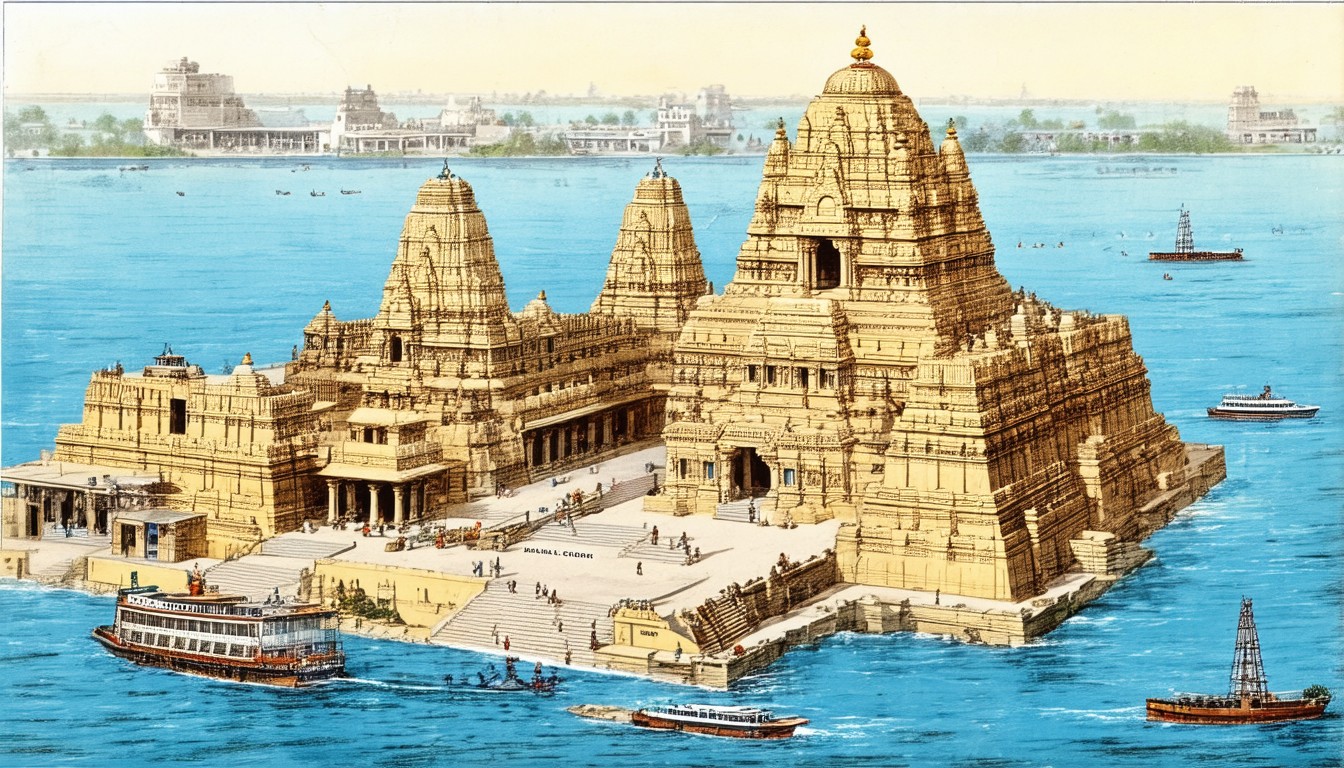
Bet Dwarka, also known as Shankhodhar, sits about three kilometers off the Gujarat coast, accessible primarily by ferry from Okha. On any traveler’s map, the following geographical features stand out:
- Ferry Boarding Point (Okha Jetty): The single largest access gateway to Bet Dwarka.
- Dwarkadhish Temple Complex: The spiritual and architectural centerpiece of the island.
- Outer Temple Ring: Sites like Hanuman Dandi, Keshavraiji, and the Dargah of Haji Kirmai.
- Local Market and Bazaar Streets: Vital nodes for local crafts, puja items, and refreshments.
- Beaches and Marine Zone: Northern and western stretches offer tranquil seaside vistas and, at low tide, glimpses of marine life.
A detailed Bet Dwarka map typically highlights walking routes, temple clusters, and natural attractions, helping visitors plan efficient circuits and avoid crowds.
The Island’s Strategic and Cultural Position
What makes Bet Dwarka unique is not just its status as a pilgrimage center but its layered cultural heritage. The island features ancient Hindu shrines, Sudama Setu (a footbridge over the Gomti river), and preserved coral reefs found in the surrounding waters—making it as much a draw for historians and marine biologists as for spiritual devotees.
Accessing Bet Dwarka: Ferry Routes, Timings, and Practical Tips
Okha to Bet Dwarka: The Classic Ferry Crossing
Reaching Bet Dwarka from the mainland is a brief but memorable journey. The ferry crossing from Okha port—roughly 30 minutes—presents sweeping views of the Arabian Sea and the island’s temples emerging in the distance.
- Operational Timings: Ferries generally run from early morning until dusk, but schedules can vary depending on weather and religious festivals.
- Fares: The crossing is affordable, catering to both pilgrims and regular commuters.
- Accessibility: Elderly visitors and families can expect basic seating, though amenities are minimal.
“The ferry ride to Bet Dwarka is more than just a commute—it’s a symbolic transition into a world steeped in devotion, mythology, and natural beauty,” notes Rajesh Mehta, a local guide with decades of experience leading group tours in Dwarka district.
Planning Around Peak Seasons
During Janmashtami and other major festivals, ferry routes experience double or triple the usual passenger traffic. Expert travelers often advise scheduling off-peak visits or arriving early in the day to avoid queues and ensure ample time for temple exploration.
Mapping Bet Dwarka’s Spiritual Circuit: Temples and Pilgrimage Sites
Dwarkadhish Temple: The Island’s Spiritual Core
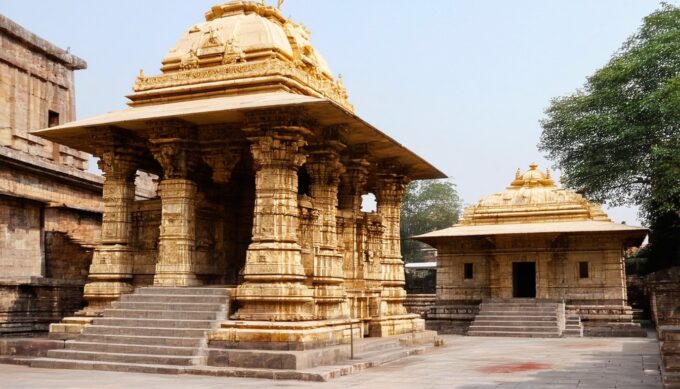
At the heart of Bet Dwarka lies the centuries-old Dwarkadhish temple, dedicated to Lord Krishna. This temple, believed by many to be established at the original residence of Krishna, is architecturally significant with its intricately-carved pillars and sacred sanctum.
- Darshan Timings: Most days, the temple is open from dawn to late evening, with scheduled aartis and rituals.
- Dress Code and Protocol: Modest clothing and removal of footwear are expected. Photography is generally restricted.
Additional Temples on the Map
- Hanuman Dandi: Renowned as the site where Lord Hanuman met his son Makardhwaja. An important pilgrimage stop, especially for devotees tracing Ramayana lore.
- Keshavraiji Temple: A Vaishnavite shrine with a distinct peaceful setting, favored for meditation.
- Shankhoddar Beyt: Not a physical temple, but marked on maps as the legendary site where Krishna’s conch (shankh) was believed to be found.
Syncretic Heritage: The Sufi Dargah
Adding a layer of religious diversity, the Haji Kirmai Dargah welcomes visitors from all backgrounds, highlighting Bet Dwarka’s tradition of inclusive worship.
Coastal Attractions: Beaches, Wildlife, and the Maritime Experience
Beaches and Marine Ecology
Beyond temples, Bet Dwarka features sandy stretches ideal for contemplative walks or family picnics. The northern and western coastlines remain relatively untouched, offering opportunities to spot crabs, seabirds, and—occasionally—dolphins in the distant shallows.
Marine Conservation Area
A segment of the island’s surrounding waters is protected as part of the Gulf of Kutch Marine National Park. While tourist infrastructure is basic, eco-conscious visitors can witness thriving coral reefs and participate in seasonal conservation activities.
Local Life and Practical Travel Tips
Exploring the Island on Foot
Most of Bet Dwarka is pedestrian-friendly. Key spots are interconnected by well-marked paths, and local vendors offer snacks and religious artifacts at key junctions.
Food, Water, and Facilities
- Food: Expect simple vegetarian fare, chhappan bhog (an offering of 56 dishes) during festivals, and traditional Gujarati snacks.
- Restrooms: Facilities are available near main temples and the ferry terminus but may be basic.
- Mobile Connectivity: While coverage is improving, signals can be patchy in interior locations.
Conclusion: Making the Most of Your Bet Dwarka Map
A journey to Bet Dwarka is an immersion into layered history, spirituality, and the stark beauty of Gujarat’s coastline. With a reliable map and guidance on key temples, ferry logistics, and the island’s unique attractions, visitors can ensure their trip is smooth, meaningful, and enriched by context. Off-peak travel, respectful observance of local customs, and mindful enjoyment of the island’s environmental treasures all contribute to a rewarding Bet Dwarka experience.
FAQs
1. How do I reach Bet Dwarka from Dwarka city?
Bet Dwarka is typically accessed by traveling to Okha port—reachable by car, auto-rickshaw, or bus from Dwarka city (about 30 km). From Okha jetty, regular ferries cross to Bet Dwarka in about 30 minutes.
2. Are there entry fees for temples in Bet Dwarka?
Most temples on Bet Dwarka do not charge entry fees; however, voluntary offerings (donations) are customary. Certain rituals or special darshan options may have small fees.
3. What is the best time to visit Bet Dwarka?
The ideal period is between October and March when the weather is comfortable and ferry activities are uninterrupted. Peak festival seasons (especially Janmashtami) witness larger crowds.
4. Can I stay overnight on Bet Dwarka?
Accommodation options on Bet Dwarka itself are very limited. Most visitors stay in Dwarka city or Okha and visit the island during the day.
5. Is photography allowed throughout Bet Dwarka?
Photography is restricted in many temple sanctums for religious reasons. Beaches and open areas usually permit photos, but always check posted guidelines before shooting.
6. Are guided tours available for Bet Dwarka?
Yes, several operators offer guided group or private tours, often including ferry tickets, temple visits, and explanations of island history. Advance booking during busy periods is recommended.