
Nestled off the coast of Gujarat, India, Bet Dwarka Temple stands as a testament to the country’s living spiritual heritage. Renowned as a sacred pilgrimage site closely linked to Lord Krishna, Bet Dwarka’s visual grandeur has made it a coveted destination not only for devotees, but also for travelers and photographers seeking to capture its ethereal charm. The search for “Bet Dwarka temple images” isn’t simply about finding pictures; it’s about connecting with layers of mythology, art, and the living rhythms of Indian religious culture. In an era where visual storytelling is paramount, the photographs of Bet Dwarka Temple serve as windows into a world that blends the ancient with the eternal.
Exploring Bet Dwarka: Mythology Meets Marvel
Steeped in legend, Bet Dwarka is said to be the original dwelling place of Lord Krishna during his reign in Dwaraka. Accessible only by boat from the mainland city of Okha, the temple sits serenely surrounded by the Arabian Sea, giving rise to images filled with mystique and architectural beauty. According to Hindu scripture and folklore, this site bears the markers of history, devotion, and timeless rituals—a combination that draws countless pilgrims and shutterbugs every year.
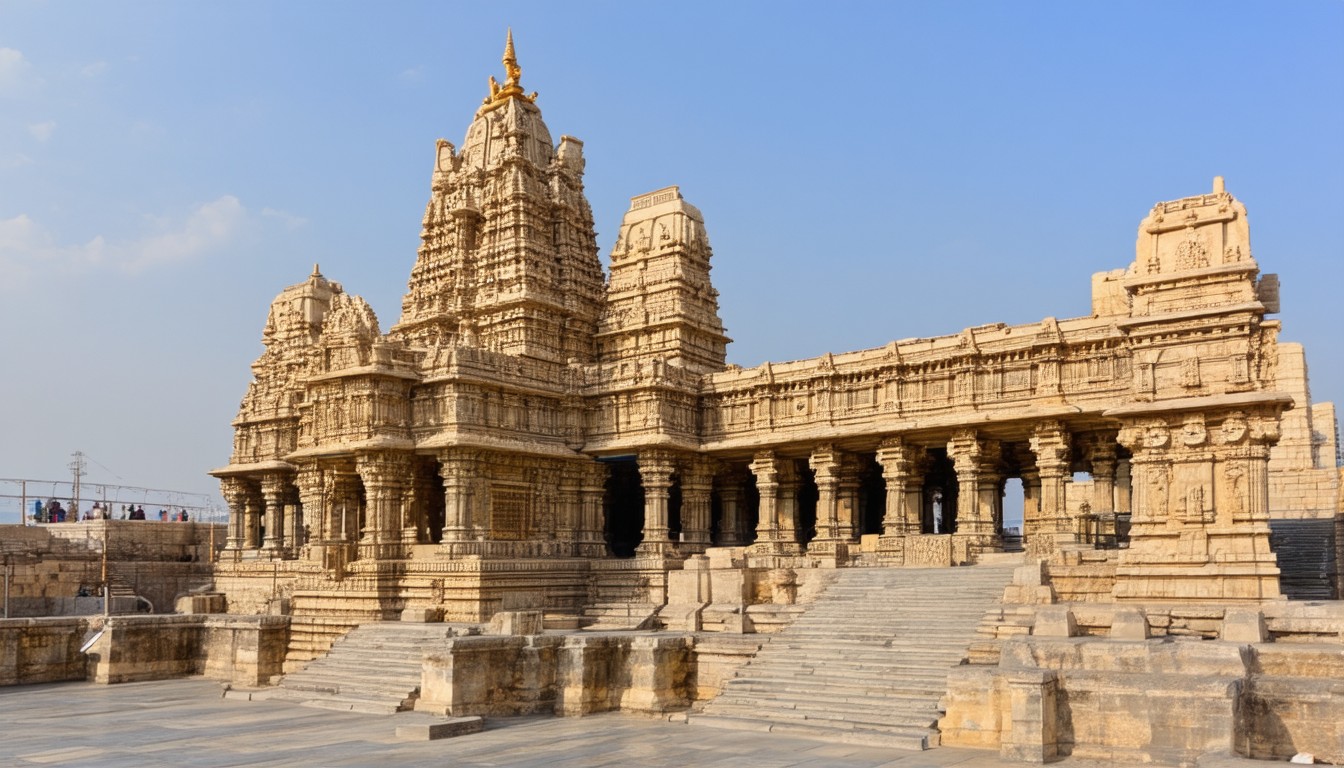
The island is also a rich tableau of temples and shrines, but the main Bet Dwarka Temple—also known as Shri Keshavraiji Temple—stands out. Its pristine spires, intricately carved pillars, and historic sanctum create visually striking moments that have been captured in photographs spanning decades. A walk through Bet Dwarka’s winding alleys often presents dramatic contrasts: ancient stonework against glimmering blue waters, or the delicate interplay of shadow and light across the temple’s inner sanctum.
The Allure of Bet Dwarka Temple Images
Capturing Sacred Architecture and Coastal Beauty
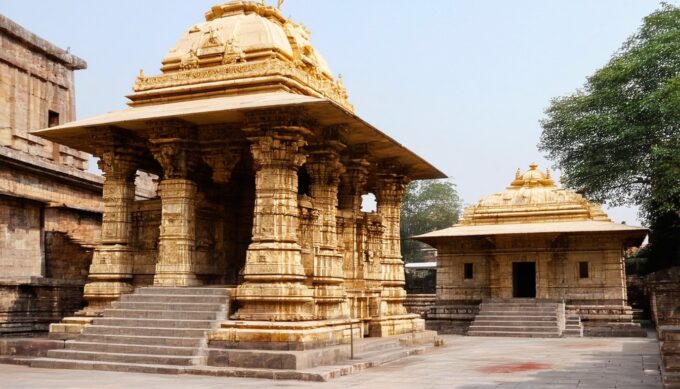
Photographs of Bet Dwarka Temple often spotlight its stately entrance, ornate columns, and traditional motifs. Typically constructed in the Chalukyan style, the temple incorporates both grand and subtle features that define classical Gujarati temple architecture. These features include:
- Embellished gateways, or “toranas,” often decorated with mythological reliefs
- High spires (shikhara) rising above the sanctum
- Intricate latticework and stone carvings adorning pillar capitals
What sets Bet Dwarka apart visually is its coastal context. Images frequently capture the mosaic of turquoise sea, white temple stones, and the colorful attire of pilgrims. The interplay of natural and spiritual worlds is unmistakable, as morning sunlight bathes the temple in a golden hue.

Experiencing the Temple Through Photography
In recent years, the demand for high-resolution images and drone-captured panoramas of sacred sites has soared. Search engines and social media platforms abound with photographs of Bet Dwarka Temple, each offering fresh perspectives—from close-ups of its sanctum doors to sweeping aerials of the temple enveloped by the Arabian Sea. For many, these images are a digital pilgrimage, enabling a sense of connection from afar.
“Bet Dwarka is a living museum—its images do more than document architecture; they capture ritual, community, and the gentle flow of time,” says Pragati Sharma, a heritage photographer based in Gujarat.
The power of such visuals has also brought Bet Dwarka into the global conversation about sustainable cultural tourism, as stunning imagery inspires both curiosity and respect for the site’s preservation.
Rituals, Festivals, and Visual Storytelling
Festivals Illuminate the Temple’s Vibrancy
Bet Dwarka Temple images are especially evocative during festival periods like Janmashtami (Krishna’s birthday) and Holi. At these times, the temple comes alive with color, music, and crowds of worshippers. Photographs from these events capture not only the architectural beauty but also the human tapestry—floral decorations, ritual processions, and devotional dances.
These seasonal images tend to blend reportage photography with traditional documentary styles, as they focus on:
- Devotees performing “aarti” (ritual of light)
- Intricately decorated Krishna idols
- Splashes of colored powder during Holi
- Boats laden with celebrants crossing from Okha to the temple
The Role of Modern Technology
With smartphones and drones making advanced photography accessible, even first-time visitors can return with postcard-perfect shots of Bet Dwarka Temple. Tourism boards and travel influencers have leveraged this trend, sharing galleries and reels that amplify the temple’s visibility globally. On major photo-sharing sites and travel blogs, Bet Dwarka’s images consistently rank among the most searched for religious destinations in India.
Preserving the Past: Conservation and Ethical Photography
Protecting Bet Dwarka’s Legacy
As visitor numbers increase, there are growing calls for balanced tourism that prioritizes cultural preservation. Conservationists stress the importance of photographing temples responsibly—avoiding flash inside sanctums, respecting the privacy of worshippers, and not disturbing ongoing rituals.
Several awareness campaigns launched by local authorities emphasize respectful photography, reminding tourists that Bet Dwarka is both a monument and a living place of worship.
“Cultural heritage is not just about stone and mortar; it’s about the intangible spirit of a place. Photographs must tell the whole story, including the need for respect and preservation,” notes Dr. Chetan Desai, a leading Gujarat heritage expert.
Digital Archives and Virtual Access
Digitizing temple images has not only preserved Bet Dwarka’s visual history, but also democratized access. Online galleries maintained by government tourism bodies and cultural organizations are making it possible for curious minds worldwide to explore the temple’s visual narrative—even for those unable to visit in person.
Conclusion: Bet Dwarka Temple Images as Gateways to Devotion and Discovery
Images of Bet Dwarka Temple speak to a convergence of past and present—the island’s hallowed history and the vibrancy of modern pilgrimage. For the traveler or devotee, they offer a glimpse into a spiritual legacy steeped in myth and lived tradition. For culture-lovers and photographers, documenting Bet Dwarka is both an act of preservation and creative exploration. As visual media continue to transform our relationship with sacred sites, Bet Dwarka Temple images will remain cherished beacons of India’s enduring spiritual landscape.
FAQs
What makes Bet Dwarka Temple unique among Indian temples?
Bet Dwarka’s combination of mythological significance, Chalukyan architectural style, and island setting in the Arabian Sea make it unlike many other Indian temples. Its close association with Krishna legends and vibrant festival traditions further distinguish it.
Can tourists take photographs inside Bet Dwarka Temple?
Photography is usually permitted in the temple’s exterior and courtyard areas, but restrictions may apply inside the sanctum. Visitors are advised to respect signage and local customs regarding photography, especially during rituals.
How can one access Bet Dwarka Temple for photography?
Visitors reach Bet Dwarka Temple via a short boat ride from Okha. Early mornings and festival periods offer the most dramatic photographic opportunities due to favorable lighting and vibrant activity.
Are there online sources for high-quality Bet Dwarka Temple images?
Yes, numerous reputable travel websites and Gujarat tourism platforms provide galleries of Bet Dwarka Temple images. Many travel blogs and social media accounts also curate visually stunning collections from recent years.
Why are images of Bet Dwarka Temple important for cultural tourism?
These images help attract visitors, foster global awareness, and support preservation efforts by showcasing the temple’s beauty and vitality. They encourage respectful tourism and provide an accessible way for people worldwide to appreciate this unique site.