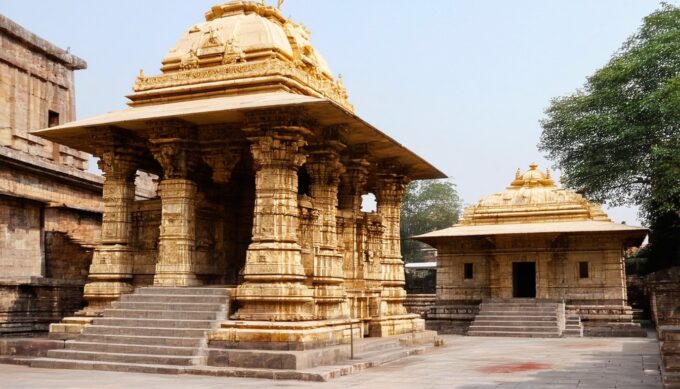

Dwarka, situated on the western coast of Gujarat, India, is revered as one of the four sacred Char Dham pilgrimage sites. For centuries, pilgrims and tourists have journeyed from Dwarka to Bet Dwarka—an island holding great mythological significance, believed to be the residence of Lord Krishna. The recently constructed Dwarka to Bet Dwarka Bridge, also known as “Signature Bridge,” is a transformative infrastructural project designed to facilitate seamless connectivity, reduce travel time, and enhance the region’s economic and tourism profile. This guide examines the route, distance, travel essentials, and the far-reaching impact of the bridge in the context of local heritage and modernization.
The Background: Demand for the Dwarka to Bet Dwarka Bridge
Rising Pilgrimage and Tourism Pressures
Pilgrimage traffic to Dwarka and Bet Dwarka has increased consistently, inspired not only by religious pursuits but by curiosity for cultural and maritime history. Traditionally, access to Bet Dwarka required a ferry crossing from Okha, a process often delayed during inclement weather and peak seasons. For residents and businesses, this form of transit posed both logistical and economic challenges.
Vision Behind the Bridge
Gujarat state authorities recognized the necessity of reliable, all-weather connectivity. With financial input and technical expertise channeled through the National Highways Authority of India (NHAI) and the Ministry of Road Transport & Highways, the bridge project was conceived not just as a thoroughfare, but as a symbol of development and inclusivity.
“The Dwarka to Bet Dwarka Bridge is not simply about reducing journey times; it’s a statement about integrating tradition with tomorrow’s infrastructure,” notes a senior official at NHAI.
Route Overview: From Dwarka to Bet Dwarka via the Signature Bridge
Geographical Context and Route Map
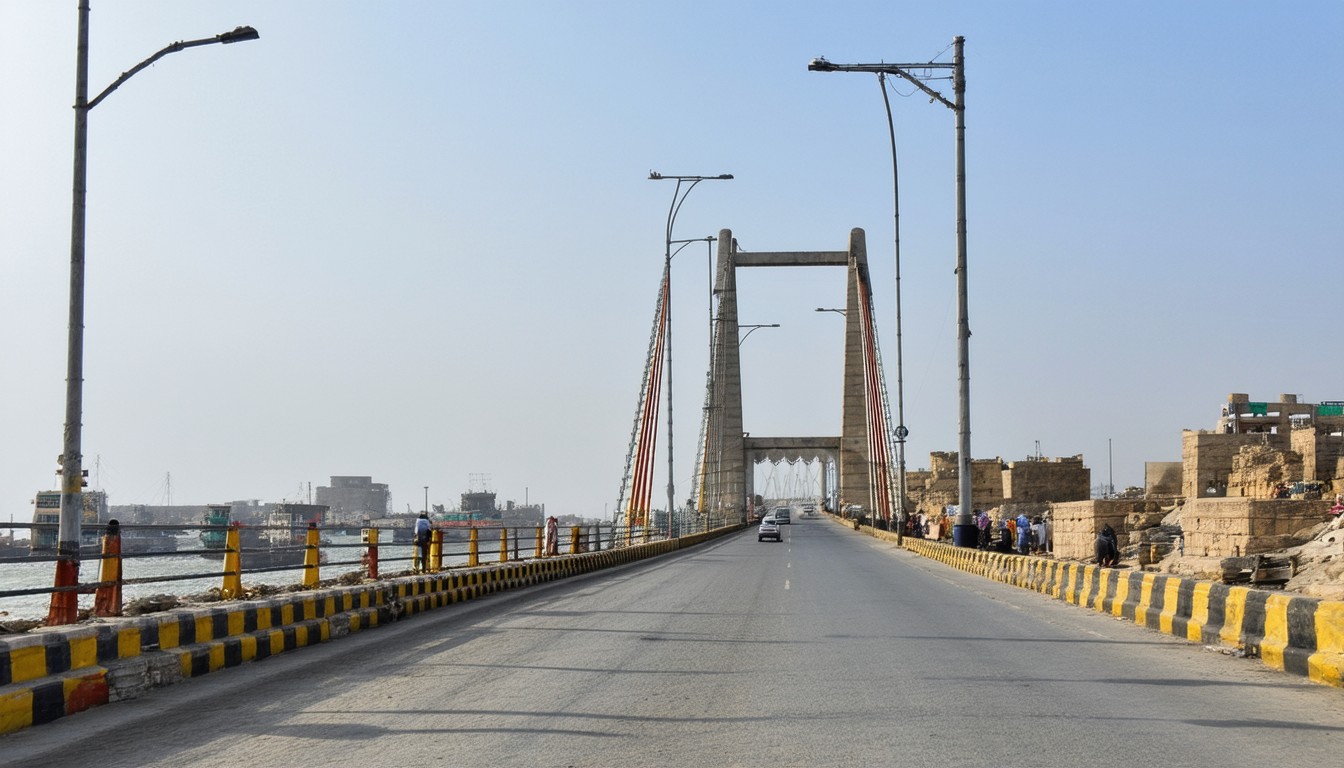
The route from Dwarka to Bet Dwarka spans approximately 32 kilometers by road. Until recently, this journey was bifurcated: a highway drive from Dwarka to Okha (approx. 30 km), followed by a ferry or boat ride to Bet Dwarka Island. The new bridge, stretching over 2 kilometers across the Arabian Sea, now links Okha directly to Bet Dwarka, allowing continuous vehicle passage.
Key Waypoints
- Dwarka City: Starting point known for Dwarkadhish Temple.
- Okha: The peninsular town where road previously ended.
- Signature Bridge: State-of-the-art cable-stayed structure across the Gulf of Kutch.
- Bet Dwarka Island: Home to ancient temples and pristine beaches.
Navigating the Bridge
Travelers proceed via State Highway 6 (SH-6) from Dwarka, continue to Okha, and now, with the bridge operational, drive directly onto Bet Dwarka. The structure accommodates cars, buses, and two-wheelers, significantly reducing logistical bottlenecks. Provisions for pedestrians and cyclists underline the bridge’s inclusive design.
Construction and Engineering: Symbolism and Innovation
Bridge Design and Architecture
The Dwarka to Bet Dwarka Signature Bridge stands out as a modern feat, utilizing advanced cable-stayed engineering to withstand coastal winds and saline conditions. The design incorporates aesthetic elements referencing maritime history and the region’s spiritual legacy. Night-time illumination further enhances its landmark status.
Project Timeline and Stakeholders
Construction began in the late 2010s, overcoming challenges such as tidal fluctuations, strong monsoons, and the need for ecological sensitivity. Engineers worked with marine biologists to minimize impact on local aquatic habitats, setting a standard for infrastructure in environmentally sensitive zones.
Socio-Economic Impact
The bridge is projected to stimulate the local economy, enabling greater movement of goods and services between Bet Dwarka and the mainland. Tourism operators, religious trusts, and local artisans benefit from enhanced accessibility, while everyday life for residents improves through more reliable transport links.
Practical Travel Guide: Distances, Time, and Tips
Getting There: Road and Bridge Distance
- Dwarka to Okha: 30 km by State Highway, typically covered in 40–45 minutes.
- Okha to Bet Dwarka (via bridge): Under 2.5 km, traversed in about 5 minutes by vehicle.
The entire journey from Dwarka City to Bet Dwarka Island now takes less than an hour, compared to previous travel times that could stretch beyond two hours during ferry queues or rough seas.
Best Time to Visit
The optimal period for travel is between October and March, when the weather is pleasant and the risk of ferry or road disruptions is minimal. Major festivals such as Janmashtami attract large crowds, making advance planning crucial.
User Experience: Early Travelers’ Perspectives
Since opening, reports from religious pilgrims and national tourists indicate a seamless journey across the bridge, complemented by panoramic sea views once only afforded to those on slower ferries. Local cab drivers, bus operators, and guides note increased footfall and expanded business opportunities.
Bet Dwarka Island: Beyond the Bridge
Religious and Historical Sites
Once on Bet Dwarka, visitors can explore a cluster of sacred sites, most notably:
- Shree Keshavraiji Temple: Traditionally associated with Lord Krishna.
- Hanuman Dandi Temple: Regarded for its mythological connections.
- Rukmini Devi Temple: A short distance from the island, popular with pilgrims.
Marine and Ecological Diversity
The region’s coastal ecology, with its sandy beaches and aquatic flora, draws nature enthusiasts. Sustainable tourism initiatives are in place to protect dolphin habitats and mangrove stands.
Regional Transformation: A New Era for Western Gujarat
Infrastructure Ripple Effects
The bridge’s influence ripples outwards: new roadworks, expanded bus routes, and augmented emergency services all stem from this keystone project. Educational and medical outreach on Bet Dwarka is expected to improve as all-weather road connectivity becomes established.
National and Global Parallels
The Signature Bridge positions Gujarat alongside regions such as Kerala’s Vembanad Lake (with its own major bridge) as forward-looking yet heritage-conserving. India’s west coast, with its strategic proximity to international shipping lanes, stands to gain from such projects.
“Connecting Bet Dwarka to the mainland is about more than convenience. It strengthens the region’s social fabric and sets a model for integrated coastal development,” observes an infrastructure analyst.
Summary: Bridging Past and Future
The Dwarka to Bet Dwarka Bridge represents a decisive stride in harmonizing ancient pilgrimage routes with modern infrastructure ambitions. By offering safe, quick, and reliable access, it promotes religious, cultural, and economic exchange. As both a functional marvel and an architectural symbol, the bridge encourages thoughtful exploration of Gujarat’s marine-bordered heritage—making the route from Dwarka to Bet Dwarka a journey through time and innovation.
FAQs
What is the total distance from Dwarka to Bet Dwarka via the bridge?
The total distance is approximately 32 kilometers, combining the road from Dwarka to Okha and the new bridge from Okha to Bet Dwarka.
How has the bridge changed travel time between Dwarka and Bet Dwarka?
Travel, which once required road and ferry or boat transfers and could exceed two hours, now typically takes less than an hour by direct road and bridge access.
Is the Dwarka to Bet Dwarka Bridge suitable for all vehicles?
Yes, the bridge is designed for cars, buses, two-wheelers, and also has provisions for pedestrians and cyclists.
What are the main attractions on Bet Dwarka Island?
Prominent attractions include Shree Keshavraiji Temple, Hanuman Dandi Temple, and Rukmini Devi Temple, alongside beautiful beaches and sites of ecological interest.
When is the best time to visit Bet Dwarka?
The cooler months from October to March are ideal, avoiding the monsoon season and ensuring a comfortable journey.
Does the bridge support economic development in the region?
Absolutely. Improved connectivity fosters tourism, eases trade, and enhances daily life for residents, while also supporting heritage conservation and local businesses.