
Gujarati music stands as a powerful vessel for storytelling, community bonds, and regional pride. Among its beloved folk songs, “Machli Viyani Dariya Ne Bet” continues to resonate across generations. Whether sung at gatherings, childhood classrooms, or cultural festivals, these lyrics evoke nostalgia and a profound sense of belonging. This article explores the full lyrics of “Machli Viyani Dariya Ne Bet,” their context and deeper meaning, and the enduring relevance of Gujarati folk songs in the digital era.
Origins and Background: Understanding Gujarati Folk Traditions
Folk Songs as Foundations of Identity
Gujarati folk songs, or “lok geet,” are not merely entertainment; they serve as living documents of collective wisdom, rural life, and moral teaching. The song “Machli Viyani Dariya Ne Bet”—literally, “The Fish and the Island in the Sea”—fits this tradition. Its whimsical narrative of a clever fish outsmarting her surroundings is both educational and engaging for children.
Transmission Through Oral Tradition
Unlike contemporary pop songs, folk songs like this one are rarely authored by a single, identifiable person. Instead, they’ve traveled across generations through oral recitation, adapting subtly to local dialects, local customs, and educational settings. Teachers commonly use such songs to instill language skills and social values.
“Gujarati folk music is more than melody—it’s an oral archive of our people, sustained by repetition, community, and celebration.”
— Dr. Rekha Jani, Professor of Indian Languages, Gujarat University
Lyrics of “Machli Viyani Dariya Ne Bet” – Full Text and Translation
The simplicity and playful rhythm of “Machli Viyani Dariya Ne Bet” are part of its appeal. For educational and cultural purposes, presenting the lyrics with a basic English interpretation helps non-Gujarati speakers appreciate the song.
Gujarati Lyrics
“`
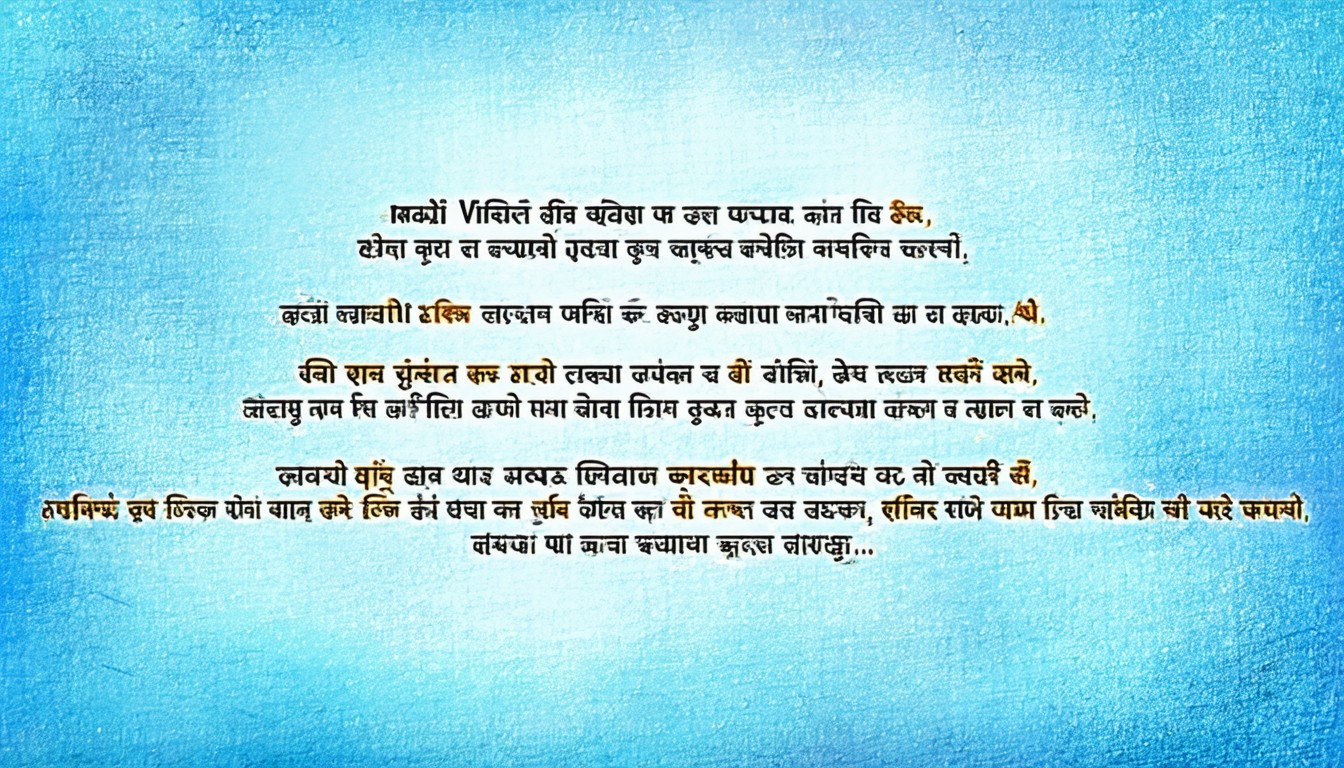
Machli viyani dariya ne bet,
Tame kevay kaim kaim ket ket.
Kaale aavi koti bhareli,
Patale aavi pet bhareli.
Machli viyani dariya ne bet,
Tame kevay kaim kaim ket ket.
“`
English Translation
The fish lives on the island in the sea,
What are you called, what sound do you make?
Yesterday you came with a basket full,
Today you came with a stomach full.
The fish lives on the island in the sea,
What are you called, what sound do you make?
Interpretive Elements and Symbolism
Though seemingly simple, these lines hold deeper meaning. The fish is often a metaphor for adaptability and the act of making the best out of one’s circumstances. Phrases about “koti bhareli” (basket full) and “patale aavi pet bhareli” (arriving with a full stomach) allude to cycles of work, abundance, and contentment—key messages often present in children’s songs.
Educational and Social Impact
Teaching Language and Values
Teachers across Gujarat use songs like “Machli Viyani Dariya Ne Bet” for their mnemonic properties—helping children remember words, sounds, and sentence structure. The song also involves rhythmic repetition and question-answer formats, which promote engagement and critical thinking. Many educators prefer such folk songs to scripted nursery rhymes because they are rooted in the lived realities of local children.
Reinforcing Community Ties
Beyond the classroom, singing this song during family events, festivals like Navratri, or community performances reaffirms shared identity. In rural areas, elders leading children in singing preserves not only the lyrics but also the customs and oral histories associated with them.
“Folk lyrics are the anchors that bind generations together, making cultural continuity possible even in a globalized world.”
Adaptation in the Digital Age
The digital age has transformed how folk songs are shared and celebrated. Platforms like YouTube now host countless recordings of “Machli Viyani Dariya Ne Bet,” drawing new audiences and providing a resource for diaspora communities in the US, UK, and beyond. These digital versions often blend traditional lyrics with contemporary music production, broadening their appeal.
The Enduring Appeal of Gujarati Folk Songs
Cross-Generational Relevance
While global popular culture dominates today’s music streams, the demand for regional folk remains steady among diaspora audiences and new parents seeking cultural grounding for their children. Gujarati folk songs like “Machli Viyani Dariya Ne Bet” enjoy renewed significance as tools for language preservation, identity, and intergenerational bonding.
Trends in Cultural Preservation
Research from cultural studies institutions in India suggests that folk music resurgence is not limited to nostalgia. In recent years, schools, local governments, and NGOs in Gujarat have actively sponsored folk music workshops and competitions, recognizing their contribution to holistic education.
Notable Examples
- School Curricula: Leading Gujarati schools incorporate traditional songs into daily assemblies, reinforcing local language alongside English and Hindi.
- Cultural Festivals: Events such as the Gujarat Lok Geet Sammelan spotlight the best performers of traditional songs, enhancing mainstream appreciation.
- Online Tutorials: Instructional videos help global Gujarati families teach their children folk songs, ensuring traditions continue far from home.
Conclusion: Preserving the Melody for Tomorrow
The enduring power of “Machli Viyani Dariya Ne Bet” lies in its simplicity and universality. Passed down through countless voices, this folk lyric embodies the resilience and creativity of Gujarati culture. As digital tools offer new ways to preserve and celebrate such traditions, the fusion of old and new ensures that songs like this will continue to enrich lives for years to come.
FAQs
What is the meaning of “Machli Viyani Dariya Ne Bet”?
The song narrates the tale of a fish on an island in the sea. Symbolically, it conveys themes of resourcefulness, abundance, and adaptation, apart from entertaining children with its playful sounds.
Who wrote “Machli Viyani Dariya Ne Bet”?
Like many Gujarati folk songs, these lyrics stem from communal oral tradition rather than a named writer. Over generations, families and educators have kept the song alive through repetition and adaptation.
Why is this song popular in Gujarat?
Its catchy, repetitive style makes it ideal for language learning in schools and cultural bonding at festivals and family gatherings. The song’s rhythmic structure and easy-to-understand themes are widely accessible.
Has “Machli Viyani Dariya Ne Bet” been adapted or modernized?
Yes, numerous digital renditions and music videos exist today. Contemporary artists and teachers often update the melody or arrangement, introducing the song to new listeners without losing the original essence.
Where can I find authentic performances of this song?
Reliable versions are available on streaming platforms like YouTube, as well as in recordings from Gujarati music festivals and educational resources produced by cultural organizations both within and beyond India.