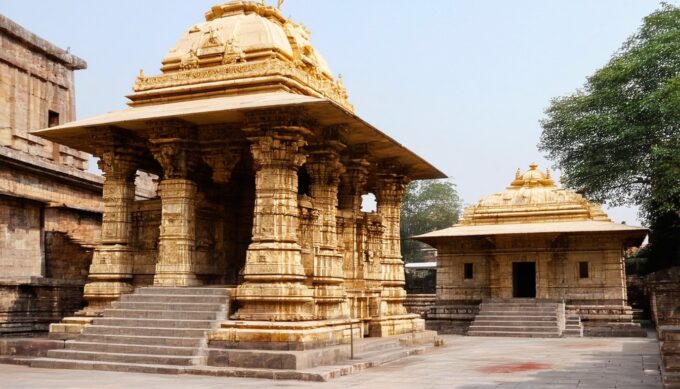

Nestled on the sacred island of Bet Dwarka off the coast of Gujarat, the Hanuman Dandi temple stands as a testament to enduring faith and mythological grandeur. For pilgrims and travelers venturing into Gujarat’s spiritual heartland, this site offers both religious significance and a rich tapestry of stories, heritage, and tranquil seascapes. The temple is widely recognized for its unique association with Lord Hanuman and his son Makardhwaj, making it a highlight on the broader Dwarka pilgrimage circuit. Its powerful aura continues to draw thousands of devotees annually, blending the allure of legend with the calm whispers of the Arabian Sea.
The Legendary History of Hanuman Dandi
Origins Rooted in the Ramayana
The Hanuman Dandi temple is steeped in stories directly linked to the epic Ramayana. According to tradition, this site marks the extraordinary encounter between Lord Hanuman and his son Makardhwaj. Hindu mythology tells of Hanuman’s leap across the ocean to rescue Sita, during which a drop of his sweat fell into the sea and was swallowed by a mighty fish. The result was Makardhwaj, believed to be half-monkey and half-fish in form.
The Meeting of Father and Son
Bet Dwarka is said to be the sole location chronicled in the scriptures where Hanuman met Makardhwaj. Here, Makardhwaj served as a gatekeeper under the demon king Ahiravana in the netherworld. Lord Hanuman’s confrontation with Makardhwaj, followed by their recognition as father and son, is commemorated in local lore and celebrated annually by devotees.
“Hanuman Dandi is more than a destination—it is a living embodiment of India’s narrative tradition, channeling the spiritual potency of Hanuman’s story and the unique bond with his son Makardhwaj.”
— Prof. Pradeep Joshi, Scholar of Hindu Epics
Temple Construction and Local Culture
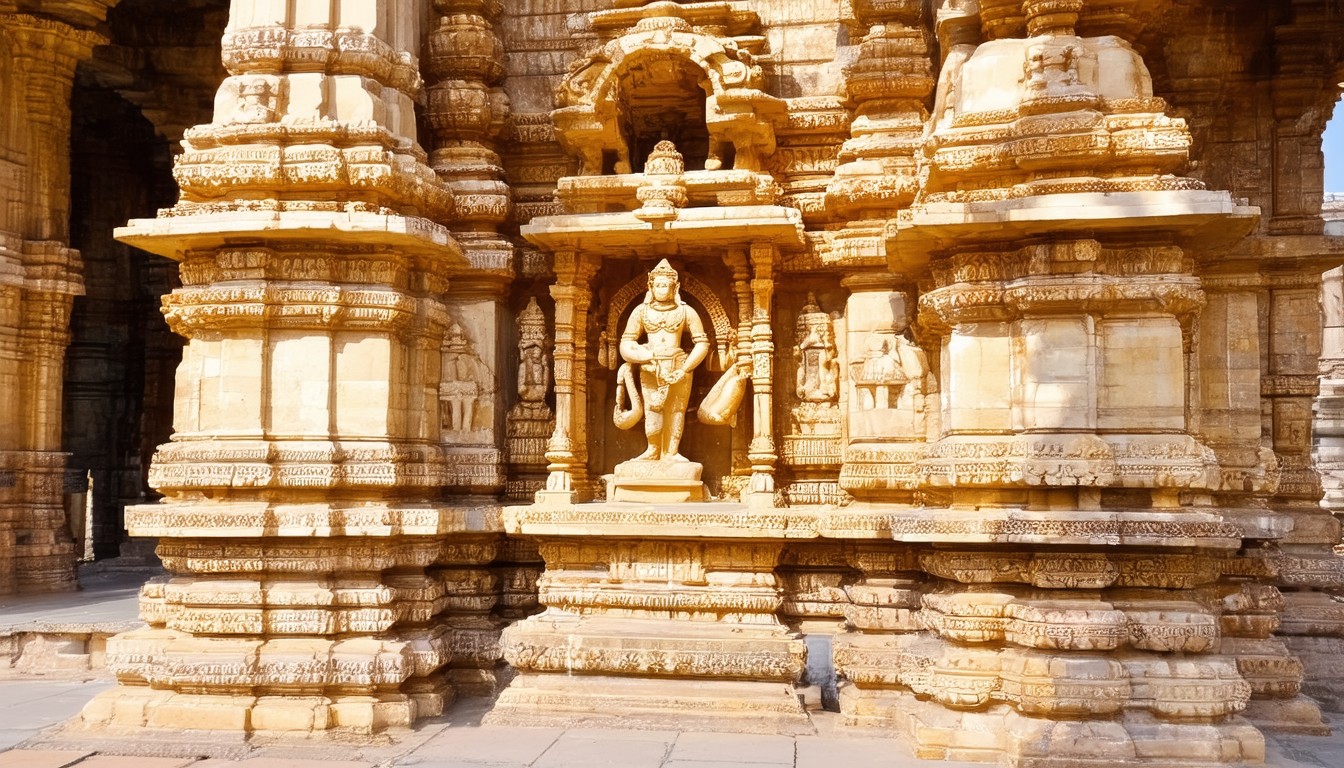
While precise historical records are limited, the temple’s structure exhibits Gujarati architectural features. The main sanctum enshrines unique idols of Hanuman and Makardhwaj, both revered and often adorned elaborately during festivals. The temple stands not just as a monument but as a focal point for cultural festivals, local rituals, and collective faith.
Location, Accessibility, and Best Time to Visit
Getting to Bet Dwarka Island
Bet Dwarka is located off the Okha coast, connected to the mainland by regular ferries—a journey that itself offers panoramic views of the Gulf of Kutch. Okha, the nearest railway station, serves as the gateway for most visitors. Once in Okha, travelers hop aboard boats for a 30-minute passage, often in the company of pilgrims singing devotional songs.
Essential Travel Tips
- Ferry timings: Ferries run from early morning until dusk, but schedules may vary seasonally or during festivals.
- Footwear and Dress Code: Visitors are expected to remove footwear before entering the temple, in adherence to Hindu traditions.
- Accommodation: While Bet Dwarka itself offers basic accommodations and dharamshalas, most visitors stay overnight in Dwarka, about 30 kilometers away on the mainland.
Ideal Season for Pilgrimage
The period from October to March is considered the prime season, given Gujarat’s mild winter climate. The weather remains pleasant and the sea calm—a welcome contrast to the intense heat or monsoonal rains of other months.
Temple Architecture and Rituals
Distinctive Features of Hanuman Dandi
The architecture of Hanuman Dandi resonates with the understated elegance found in many Saurashtra-region temples. Modest in scale but rich in symbolism, the sanctum houses two principal idols: Hanuman, often depicted in a posture of readiness and devotion, and Makardhwaj, identifiable by his aquatic features.
Daily Rituals and Offerings
- Mangala Aarti (Morning Ritual): The day begins with auspicious prayers and the ceremonial awakening of the idol.
- Sankat Mochan Puja: Special poojas for relief from hardships attract devotees seeking spiritual solace.
- Makardhwaj Pooja: Uniquely dedicated rituals draw those keen on experiencing the rare father-son worship.
Festivals such as Hanuman Jayanti and Ram Navami witness heightened spiritual fervor, with devotees participating in elaborate processions and community feasts. These collective celebrations reinforce Hanuman Dandi’s status as a living, breathing center of devotion.
Hanuman Dandi in the Broader Circuit: Why It Matters
Standout Stop on the Dwarka Pilgrimage
The Hanuman Dandi temple is often visited after the main Dwarkadhish temple, forming a crucial link in dwarkadheesh, Rukmini Devi, and Nageshwar Jyotirlinga pilgrimage routes. For many, visiting Hanuman Dandi is an expression of gratitude or a way to seek Hanuman’s blessings before returning home.
Cultural and Spiritual Resonance
Local stories frequently highlight the temple’s reputation for granting strength and resolve, attracting not just religious pilgrims but those searching for inspiration in times of difficulty. As a result, Hanuman Dandi has transcended its geographical constraints and become a spiritual symbol celebrated in stories, folk songs, and community gatherings.
Practical Experiences and Visitor Insights
Tourists often note the sense of tranquility surrounding Bet Dwarka, especially at sunrise or sunset. Despite its popularity, Hanuman Dandi retains an atmosphere of quiet reflection, its setting enhanced by the island’s isolation. Roughly estimating, several thousand pilgrims and travelers make this short sea crossing each month, with major Hindu festivals drawing especially large crowds.
Responsible Tourism, Conservation, and Local Economy
Preserving Heritage Amid Modernity
Modern pressures, especially in peak travel season, highlight the need for sustainable tourism practices. Conservation groups and temple authorities are increasingly advocating for controlled visitor numbers, preservation of temple art, and the safeguarding of natural habitats around Bet Dwarka. With the temple sitting at a unique confluence of ecological and spiritual value, efforts abound to keep both heritage and environment intact.
Supporting the Local Community
The influx of pilgrims provides essential income for local boat operators, small vendors, and guides. Souvenirs and prasad (holy offerings) are commonly sold near the temple, reflecting a micro-economy that thrives on cultural exchange between locals and visitors.
Summary: Hanuman Dandi’s Unique Place in India’s Spiritual Landscape
Hanuman Dandi at Bet Dwarka is not just another religious site; it is a confluence of myth, architecture, and ongoing devotion. Its legends empower individuals and communities, and its traditions sustain both faith and local livelihoods. For those venturing to Dwarka, including Hanuman Dandi on the itinerary enriches the pilgrimage, offering deeper layers of meaning and a memorable spiritual experience. This temple stands resilient—echoing the reverence of the ages, the heartbeat of a community, and the silent strength of the sea.
FAQs
What is the significance of Hanuman Dandi at Bet Dwarka?
Hanuman Dandi is unique for marking the legendary meeting of Lord Hanuman and his son Makardhwaj, a rarity in Hindu mythology. The temple honors their bond and serves as a major pilgrimage stop.
How do you reach Hanuman Dandi temple?
The temple is located on Bet Dwarka island, accessible via ferry from Okha. Regular boats ferry visitors to the island, with travel typically taking about 30 minutes.
What are the main festivals celebrated at Hanuman Dandi?
Hanuman Jayanti and Ram Navami are the major festivals, drawing large crowds for special rituals and processions. These events bring together pilgrims from across India.
What are the temple’s opening hours and rituals?
The temple typically opens in the early morning and closes by evening, with several aartis and poojas performed throughout the day. Check locally for updated timings, as schedules may shift on festival days.
Is there any accommodation on Bet Dwarka island?
Basic lodgings and dharamshalas are available on the island, though most visitors prefer staying in Dwarka for more comfortable options. Early evening return to the mainland is recommended due to limited facilities.