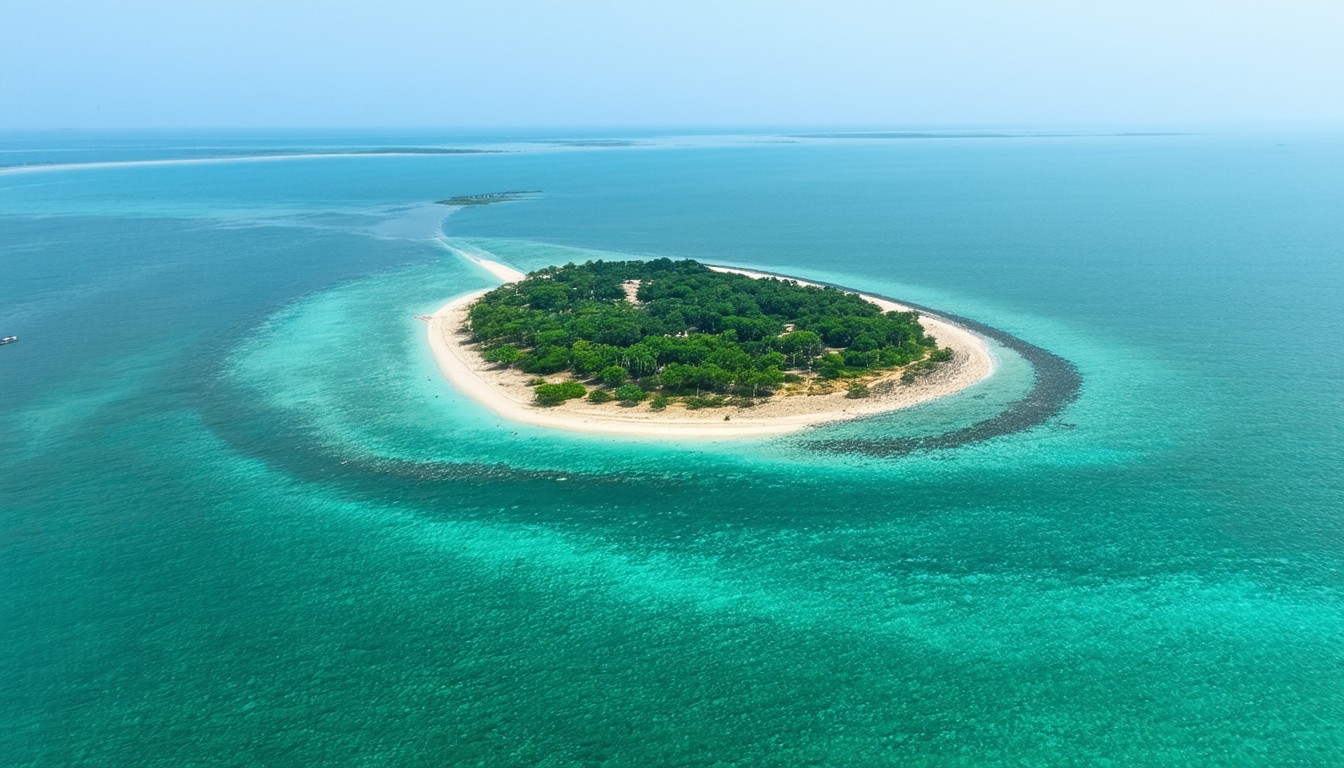

Discover Shiyal Bet Island—Gujarat’s hidden gem—where untouched coastal beauty, unique village culture, and remarkable wildlife converge. Explore why this isolated island is a rising destination for eco-tourists and nature enthusiasts.
Introduction: Shiyal Bet’s Secret Allure
Off the bustling coasts of Gujarat, India lies Shiyal Bet—a secluded island that rarely makes headlines but quietly captivates explorers with its primal charm and resilient community. Unlike mainstream tourist destinations, Shiyal Bet is insulated by geography and tradition, offering a glimpse into a world where time seems to slow, tides govern life, and local ecology thrives undisturbed. In recent years, the island has begun to draw the attention of ecotourists, bird-watchers, and those seeking genuine cultural immersion—a testament to its growing reputation as one of South Asia’s most distinctive coastal destinations.
Geography and Isolation: Understanding the Setting
Shiyal Bet sits at the mouth of the Gulf of Khambhat, approximately 2 kilometers off the Gujarat mainland near the fishing town of Jafrabad. The island is modest in size—just a few square kilometers—but this isolation has acted as both barrier and guardian, preserving local ecosystems and culture.
Life Shaped by the Tides
Access to Shiyal Bet is only possible by small boats or ferries. This logistical challenge, especially during monsoon swells, turns daily routines—like attending school or trading at mainland markets—into adventures navigated with skill and determination. The hydro-geographic separation has fostered a closely-knit society, where mutual reliance and local wisdom underpin daily life.
“In places like Shiyal Bet, isolation isn’t a disadvantage—it’s a guardian of both people and nature. The rhythms here reflect an extraordinary resilience,” says Dr. Kinjal Shah, marine ecologist and coastal livelihoods researcher.
Biodiversity and Wildlife: A Sanctuary Unspoiled
Beyond its resilient inhabitants, Shiyal Bet is distinguished by its unusual blend of habitats: intertidal mudflats, salt marshes, mangroves, and nearby coral patches. Together, they form a mosaic that supports striking biodiversity.
Haven for Avifauna and Marine Life
The island is a renowned stopover for migratory birds, with ornithologists recording dozens of species each season—waders, herons, and flamingos among the regulars. The surrounding waters teem with marine life, from commercially valuable fish to dolphins and even the occasional sea turtle. Mangrove forests serve as both nursery and buffer, stabilizing the coast against storms and supporting breeding colonies for native birds.
On the ground, human-wildlife coexistence is a necessity, not an option. Fisherfolk, who depend on healthy stocks, have organically adopted sustainable practices well before such terms became part of conservation lexicon.
Conservation and Traditional Knowledge
Unlike more accessible tourist hotspots, Shiyal Bet’s relative obscurity has shielded it from the pressures of mass tourism. Local families rely on traditional ecological knowledge—rotational fishing, mangrove stewardship, and bird monitoring—to balance livelihoods with conservation.
Culture and Community: Resilience and Identity
Shiyal Bet is more than a wildlife refuge; it is home to over 3,000 people, most of whom are fisherfolk following a way of life handed down over generations. The island village, marked by winding lanes and pastel homes, illustrates a society built on adaptation and cooperation.
Challenges and Adaptation
Lack of direct road connectivity, sporadic access to electricity, and the ever-present risk of coastal erosion pose continuous hurdles. Yet, residents have leveraged their unique position to foster education and healthcare collaboration with NGOs and government agencies—ensuring the next generation has opportunities beyond the horizon.
In 2021, innovative projects piloted by local bodies introduced solar microgrids and rainwater harvesting systems, setting examples for energy and water resilience in coastal communities across India.
Tourism Potential: Low-Impact, High-Reward Experiences
Unlike the well-trodden beaches of Goa or Kerala, Shiyal Bet offers a different proposition to travelers: authenticity over convenience. Visits require advance coordination—usually through local guides or homestays—and a willingness to embrace simplicity.
What Visitors Can Expect
- Birdwatching Expeditions: For serious birders, the island is a must-visit during migratory seasons.
- Mangrove and Coastal Ecology Tours: Led by residents trained as naturalist guides, these excursions unpack the secrets of tidal ecosystems.
- Village Walks: Experience the “slow island life,” visiting vibrant markets and witnessing traditional net-making or boat-repair techniques.
- Sustainable Seafood Experiences: Local kitchens offer unique dishes prepared with just-caught fish, using family recipes seldom found elsewhere.
Responsible Travel: The Road Ahead
Stakeholders—both local and external—are carefully charting a growth strategy. Community-based tourism initiatives, heritage documentation, and responsible visitor guidelines are all part of preserving Shiyal Bet’s fragile balance. As elsewhere in India, keeping ahead of environmental impacts will determine the island’s long-term appeal.
Conclusion: Shiyal Bet’s Lasting Lessons
Shiyal Bet stands as a living example of how human ingenuity and natural wonder can co-exist—when isolation is regarded as opportunity rather than obstacle. With global interest in sustainable travel rising, its story offers lessons on conservation, resilience, and the elegance of living in harmony with nature. For travelers and policymakers alike, Shiyal Bet is not only a destination but a window into the future of responsible coastal stewardship.
FAQs
What makes Shiyal Bet Island unique compared to other coastal destinations in India?
Shiyal Bet’s combination of geographic isolation, unspoiled habitats, and traditional village life offers a rare, immersive experience not found on the heavily touristed mainland coasts.
How does one reach Shiyal Bet Island?
Visitors must take a boat or ferry from the nearby town of Jafrabad, as no bridge or causeway connects the island to the mainland.
Are there any accommodations for tourists on the island?
Shiyal Bet currently offers limited homestay options, often organized by local families or NGOs focused on community-based tourism.
Is Shiyal Bet a good destination for birdwatchers?
Yes, especially during migratory seasons, the island draws a wide variety of bird species, making it a notable stop for birding enthusiasts.
What conservation efforts are underway on the island?
Local knowledge and recent partnerships have introduced sustainable fishing, mangrove preservation, and eco-awareness programs to protect both wildlife and community livelihoods.
Why should Shiyal Bet be considered a model for sustainable tourism?
Its grassroots approach, focus on ecological balance, and emphasis on mutual benefit between hosts and guests illustrate how tourism can be a force for empowerment without sacrificing authenticity or the environment.